
Travel to Lake Titicaca – unique experiences from Bolivia and Peru
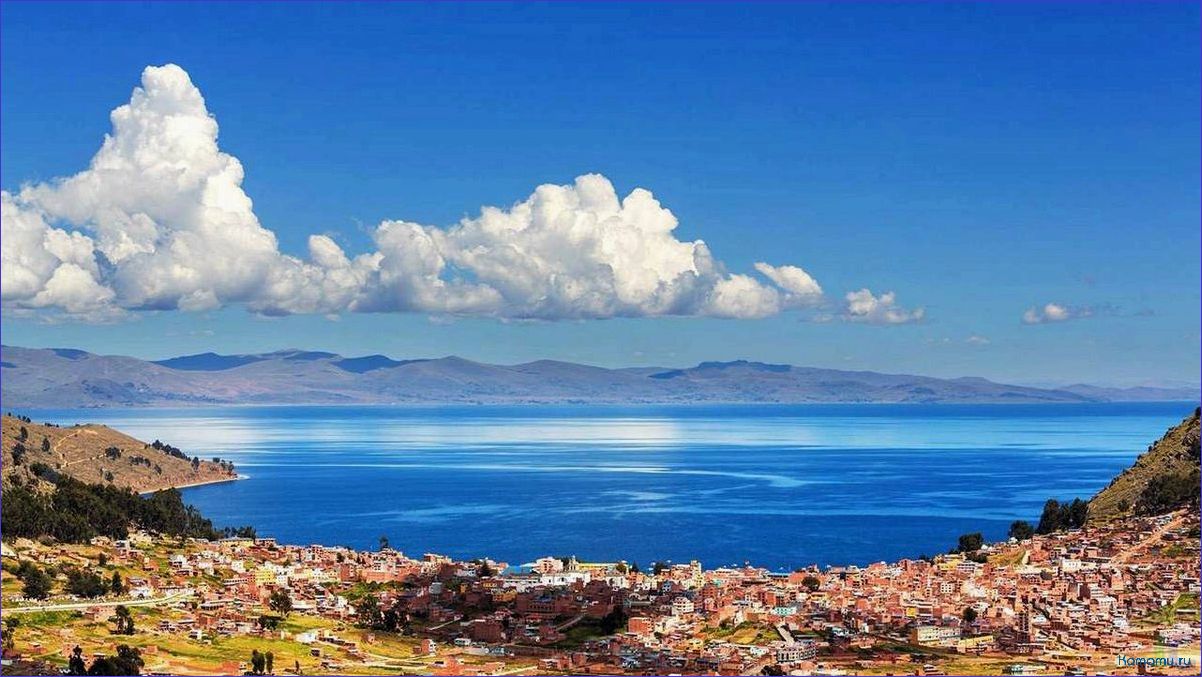
On the expanses of South America stretches a majestic water space that attracts travelers from all over the world. This place hides many mysteries, combining the cultural and natural heritage of ancient civilizations. Here, among mountain peaks and picturesque landscapes, every visitor will be able to discover something special.
Content of the article:
- Culture and traditions of indigenous peoples of the region
- Unique natural features of the region
- Eco-tourism: how to preserve the nature of the region
- Best routes and excursions
- Region islands: what to visit
- Traditional regional dishes and gastrotourism
- Local cuisine and restaurants tips
- Picturesque towns on the shore of the reservoir
- Picturesque towns on the shore of the lake
- Puno and Copacabana: What to See
This unique watershed is divided by two countries, each of which offers travelers its unforgettable experiences. On the one hand, the breathtaking mountainous landscapes give a sense of freedom and space. On the other hand, the cultural treasures stored in ancient towns and villages allow you to touch the history and traditions of the local people. The intersection of nature and culture makes this place a real wonder of the world.
Every trip here is not only an opportunity to enjoy breathtaking views, but also a chance to immerse yourself in the world of traditions and customs passed down from generation to generation. Travelers will be able to experience the hospitality of the locals, try dishes that will not leave indifferent even the most sophisticated gourmets, and enjoy the silence that everyone who is tired of the hustle and bustle of the city dreams of. At this amazing point on the map, the past and present worlds merge in harmonious unity.
Culture and traditions of indigenous peoples of the region
Around this ancient reservoir developed a rich and diverse culture, closely related to nature and ancient traditions. Local communities retain their customs and rituals that are passed down from generation to generation, providing a unique opportunity to immerse yourself in the world of ancient civilizations and modern ethnic groups living in harmony with the surrounding world.
Historical_heritage_of_indigenous_peoples
The region is the cradle of many ancient civilizations such as the Tiuanaco and Inca. These cultures left behind architectural monuments, artifacts and myths that still live in the minds of people today. Tiuanako, for example, was one of the most significant cultural centers, and its ruins still impress with their grandeur and engineering. The Incas also exerted a significant influence on local traditions by integrating their rituals and beliefs into the daily lives of the inhabitants.
Cultural development was also greatly influenced by colonial times, when European traditions began to blend with local customs, creating a unique cultural synthesis. This period was marked by the emergence of new forms of art, architecture and cuisine, which greatly enriched the cultural heritage of the region.
Modern customs and holidays
Modern ethnic groups such as Aymara and Quechua continue to celebrate traditional holidays while keeping ancient customs alive. One such festival is Inti Raimi – the festival of the Sun, which is celebrated with dances, music and colorful costumes. This holiday reflects people’s deep connection to nature and space, as well as their gratitude for the generosity of the Earth.
In addition, many modern activities are related to agriculture and seasonal cycles. For example, harvest holidays are accompanied by folk songs and dances that reflect respect and reverence for the fertility of the land. Such events provide a unique opportunity for guests to immerse themselves in the atmosphere of joy and unity with nature, which are an important part of the life of the locals.

These traditions and customs are an integral part of the cultural heritage of the region and continue to inspire and admire all who know them. Through them you can better understand the history and spirit of the people who lived in this amazing place for centuries.
Unique natural features of the region
The region, located in the heart of the Andes, is famous for its unique natural features. Magnificent mountains, deep reservoirs and a rich biosphere create a special ecosystem that impresses with the diversity of flora and fauna. This corner of the planet attracts explorers and nature lovers from all over the world who want to learn more about its natural wonders.
The harsh climate and high mountainous location create unique conditions in which local species of plants and animals have adapted to survive. Here you can find rare species of fish and amphibians that live only in this area. In addition, due to the special climate in this area, various species of algae and aquatic plants are common, which play an important role in maintaining the ecosystem.
The area is dominated by high-mountain landscapes with characteristic flora, including various species of cacti and alpine meadows. You can also discover a rich variety of birds, including species such as the Andean flamingo, the black swan and many others for whom this place is a native home.
The waterfront, framed by snowy peaks, creates stunning landscapes that inspire the exploration of nature. The importance of preserving these unique natural features cannot be overestimated, as they provide biodiversity and maintain the ecological balance of the entire region.
ViewDescriptionAndean flamingoA rare species of bird that lives at an altitude of more than 3500 meters, is known for its pink feathers and grace. JumperThe rabbit-like mammal is adapted to live in high mountain conditions, where it seeks food among rocks and shrubs. Kamyshov sumEndemic fish, living only in local reservoirs, is distinguished by unique adaptations to living conditions. Alpine meadowsHigh mountain landscapes represented by many grassy plants, creating a characteristic green cover.
Eco-tourism: how to preserve the nature of the region
Environmentally responsible travel implies that visitors respect and protect the environment, preserving it in its pristine form for future generations. Eco-travelers can enjoy the unique beauty of nature while supporting measures to conserve biodiversity and reduce environmental impact.
Principles of eco-travel
- Respect for nature: Respect for the environment and its inhabitants is one of the key aspects of eco-travel. This includes minimizing waste, using biodegradable materials and respecting local flora and fauna.
- Supporting the local economy: Purchasing local products and services contributes to the development of the region and helps to preserve traditional crafts and culture.
- Educational Approach: Eco-travel provides an opportunity not only to relax, but also to learn more about environmental initiatives, unique ecosystems and local traditions.


