
Tourism in Japan – Unique Destinations and Cultural Attractions
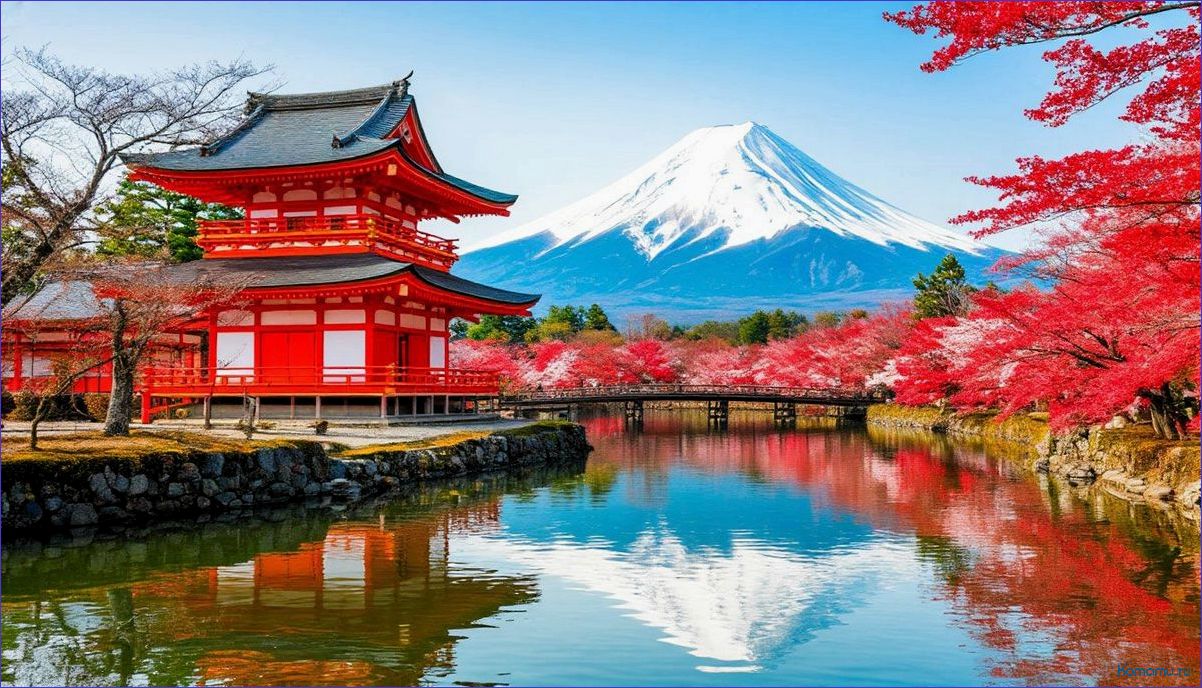
Visit Kyoto to discover amazing temple complexes such as Kinkaku-ji and Gyon. These places immerse themselves in the atmosphere of ancient Japan and impress with architectural harmony. The program, which includes sightseeing tours, will give you the opportunity to learn about traditions and rituals that have been preserved over the centuries.
Content of the article:
Don’t miss the opportunity to explore Japanese hot springs – onsen. They are perfect for relaxing after a busy day. Each onsen offers a unique experience, be it a mountain with hot springs or an establishment overlooking picturesque landscapes. It is not only a pleasant experience, but also a way to get acquainted with the Japanese culture of bathing and relaxation.
For true gourmets, we recommend going on a gastronomic tour of Tokyo. Ameyayoko Street feels like a market of culture and taste. Here you can try paradise sushi, yakitori and unagiri, immersing yourself in the local traditions. Be sure to visit markets such as Tsukiji, where the freshness of the products amazes and inspires new culinary discoveries.
Fukuoka offers interesting festivals such as Yaita, which introduce you to Japanese traditions in music and dance. It is a great opportunity to interact with locals and understand their culture through art. Join the fun and recharge with positive energy, immersing yourself in the atmosphere of the holiday.
The Lombard in Nara, known for its temples and friendly deer, provides an opportunity to relax and enjoy nature and tranquility. Every visit to this city leaves an unforgettable impression. Walks in parks and communication with animals create an atmosphere of harmony and comfort.
Tourism in Japan: discoveries and cultural treasures
Visit the ancient city of Nara to encounter free-roaming deer and enjoy the splendour of ancient temples such as Todai-ji. This temple houses a giant statue of Buddha, which admires its size and details.
A trip to Kyoto will give you unforgettable moments among traditional tea houses and magnificent gardens. Visit the Gyeon area, where you can see real geisha, as well as admire the blooming of sakura in Maruyama Park in the spring.
Cultural Treasures of Osaka
Don’t forget to visit Osaka, where Osaka Castle is located, which is a symbol of the city. The castle impresses with its architecture and the variety of museums inside. Local cuisine, including tacoyaki and okonomiaki, will be a great addition to your visit.

Hokkaido Island Adventures
Hokkaido has a unique nature and Ainu culture. Explore the reserves and enjoy the hot springs in Nobori Betz. In winter, go skiing at famous resorts such as Niseko, famous for their quality snow.
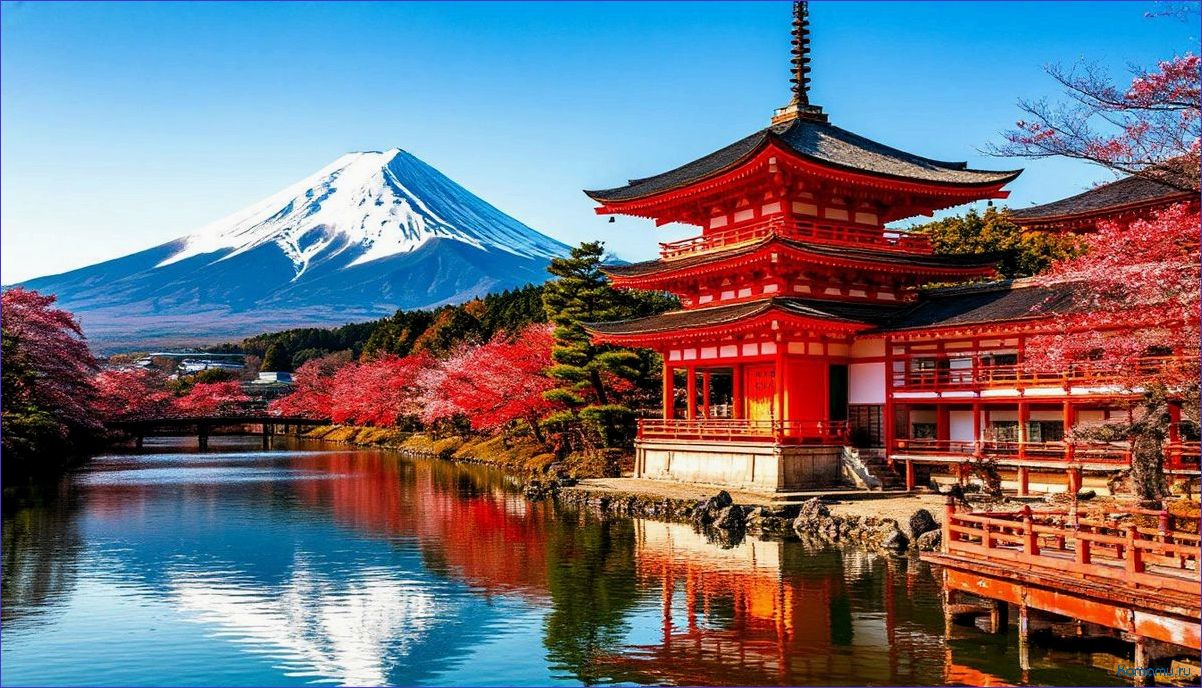
Best routes for acquaintance_with_traditional_Japanese culture
Visit Kyoto to immerse yourself in the atmosphere of old Japan. Start by visiting Kinkaku-ji Temple, known for its golden pavilion. Then head to the Gyon area to see the geisha and enjoy the traditional shops and tea houses.
Himedana offers a different view of cultural heritage. In this area you will see ancient buildings where master classes are held on the tea ceremony and the art of ikebana. Do not miss the opportunity to try local cuisine in small restaurants.
Tokyo also has a lot to offer. Visit the Asakusa area with Sensoji Temple, which is a symbol of the city. Stroll along the traditional Nakamisedori Street where you can buy souvenirs and try street food.
On Osaka Island, you can see Osaka Castle and enjoy an educational program about samurai culture. The program includes demonstrations and master classes on combat strategy.
Nara is home to the famous Todo-ji temple with a big Buddha. In Nara Park you can meet free-walking deer, which creates a unique atmosphere of a combination of nature and culture.
Don’t forget to visit Hiroshima, where the Peace Memorial Park is located. This place offers a deep understanding of the tragic events of World War II and the Japanese spirit of recovery.
In the north of Japan is the Aomori district, known for its Ne Bruder festival, where traditional dances and music gather. It is a great opportunity to see a living culture in action.
Each of these routes will deepen your understanding of Japanese traditions and provide exciting experiences of getting to know the country’s unique cultural aspects.
Taste of Japan: gastronomic attractions and culinary festivals
Culinary festivals of Japan
Join the “Tanabata” festival in Kumamoto, where specialized dishes from local produce are offered. In mid-July, the holiday attracts many tourists. Immerse yourself in the atmosphere of local culture and enjoy unique delicacies right on site.
Don’t miss the “Snow Food Festival” in Wajima, where representatives of different regions demonstrate recipes from winter ingredients. This festival is held in January and allows you to learn about traditional cooking methods.
Traditional restaurants and markets
Visit Tsukiji in Tokyo, the famous fish market. Local sushi restaurants offer the freshest seafood. Make sure you try nothing different from the original nigiri and sashimi – an experience that will impress. Local chefs are often happy to share the secrets of their cuisine with visitors.
After visiting the market, take a look at the cozy “izakei” – Japanese bars, where a variety of snacks and drinks are served. Here you can try the yakitori – grilled chicken shaslits with unique sauces. The proximity to the local cuisine will give unforgettable impressions and pleasant memories.
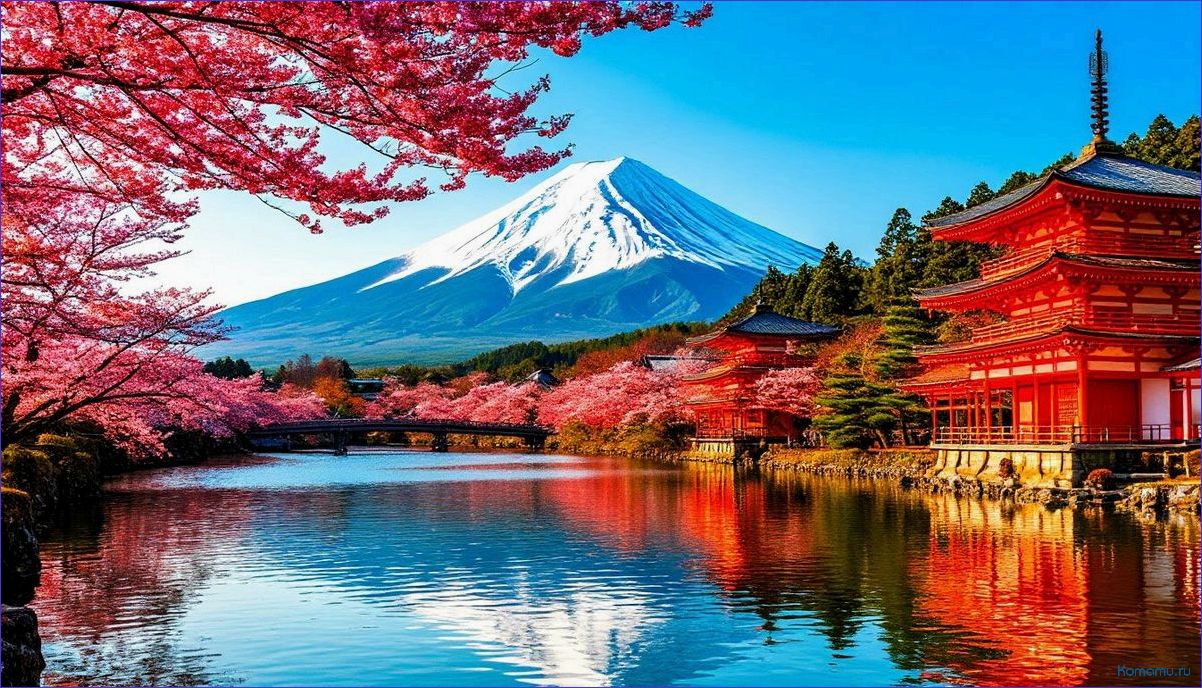
Tips for visiting historical sites and temples of Japan
Start by familiarizing yourself with the basic rules of conduct in temples. Place your hands in front of your chest and bow slightly as you enter the territory of the holy places. This shows your respect for culture and traditions.
Plan visits in the morning or evening to avoid crowds. Many temples open early in the morning and offer the opportunity to enjoy the atmosphere in silence and tranquility.
- History Study: Head to the information stands or take an audio guide before visiting. Many temples offer detailed excursions to help you understand their meaning.
- Photography rules: Pay attention to signs that may prohibit photography. Respect the privacy of other visitors.
- Dress modestly: Dress decently and not too frankly. This will show your respect for the culture.
Read the schedule of special events or festivals in advance. Often, temples hold ceremonies that open access to the peculiarities of local culture.
- Visiting lesser-known temples: Try exploring smaller, less touristy temples. They can offer a unique experience and more authentic interaction.
- Silence: In the temple atmosphere, it is important to maintain silence and respect. Avoid loud conversations.
- Landscapes around temples: Pay attention to the surroundings. Many temples are located in picturesque places with beautiful gardens and nature.
End your visit to the temple alone. This will allow you to better understand and feel the atmosphere of the place, immerse yourself in its spiritual essence.


