
History, culture and attractions of Swaziland
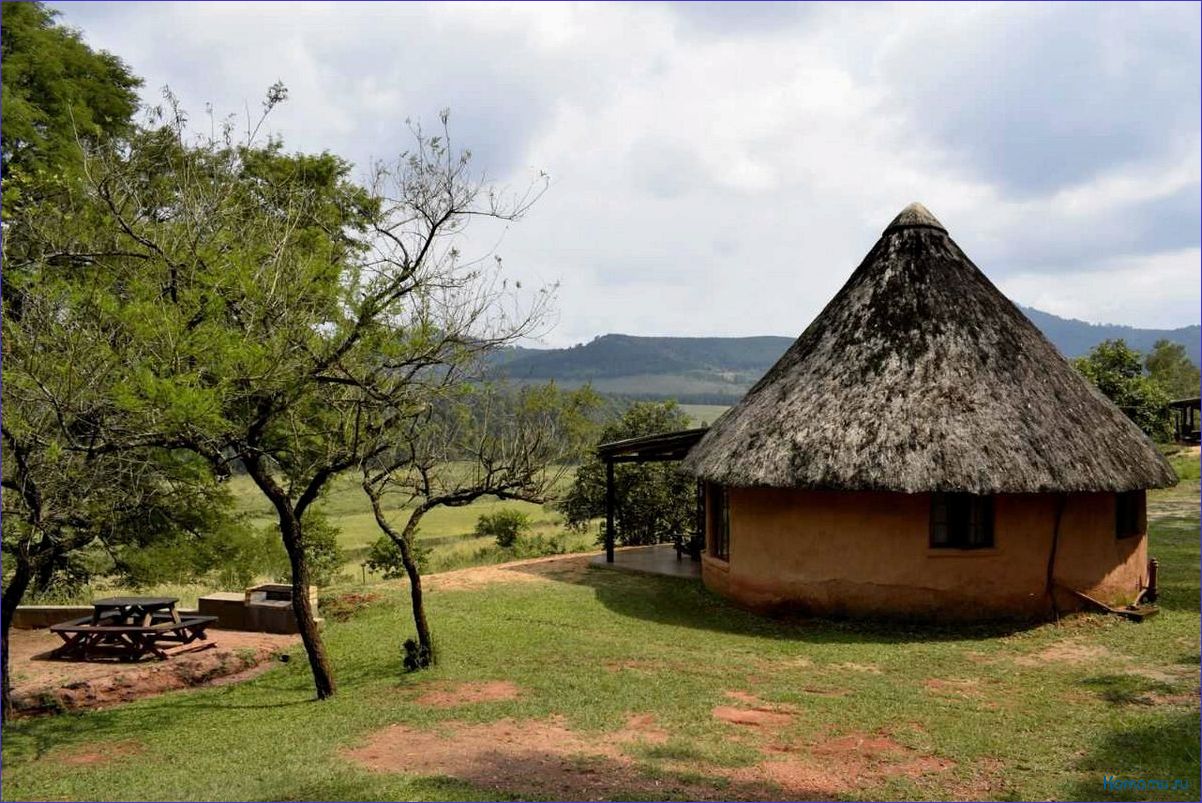
Swaziland is a kingdom in southeastern Africa, bordered on the north and west by the South African Republic and on the east by Mozambique. This small country, with an area of only about 17 thousand square kilometers, has an amazing natural diversity and rich culture.
Content of the article:
Swaziland is one of the few monarchies in Africa where King Mswati III has been on the throne since 1986. It is a centre linking historical tradition and modernity, preserving many African customs and rites.
The nature of Swaziland is amazing with its diversity – here you can see mountains, fertile plains, wildlife reserves and national parks. Tourists enjoy visiting Swaziland to get acquainted with its unique culture and nature.
History of Swaziland
The history of Swaziland is rich in events and culture of this African country. Ancient tribes lived in these lands long before the arrival of Europeans. In the 19th century, the territory of present-day Swaziland was under the influence of the British Empire. In 1968, the country gained independence and became known as the Kingdom of Swaziland. Since then, it has gone through various changes and challenges, but retains its unique culture and traditions.
DateEvent19th centuryUnder the influence of the British Empire1968Independence and Education of the Kingdom of Swaziland
Culture and traditions of Swaziland
Traditional clothing also plays a significant role in Swaziland’s culture. Women wear bright and colorful outfits decorated with various patterns and ornaments, while men prefer traditional clothing such as quilts and colorful shirts.
Religion is also an important aspect of Swaziland’s culture. The majority of the residents profess Christianity, but traditional beliefs and rituals still take place in the daily life of the local population.
In addition, Swaziland has a rich heritage of crafts and arts such as knitting, wood carving, jewelry making and ceramics. These crafts are passed down from generation to generation and are an important part of the country’s cultural heritage.

Geography and nature of Swaziland
The geography of the country is diverse: in the north there are lowlands and valleys, and in the south – mountains and hills. The Lomati River also flows here, which is one of Swaziland’s main water arteries.
AreaPopulationMain city17,364 km²About 1.5 million peopleMbabane
Economy and development of Swaziland
In recent years, the Government of Swaziland has been actively working to attract investment and develop the economy. However, the country faces challenges such as high unemployment, uneven distribution of wealth and underdeveloped infrastructure. As part of its economic development efforts, the Government seeks to improve the business environment, develop the information technology sector and improve the level of education of the population.
Political system of Swaziland
The Parliament of Swaziland consists of two chambers: the Senate, whose members are appointed by the king, and the House of Representatives, whose members are elected by the people. However, the actions of parliament can be revised or repealed by the king.
Political opposition in Swaziland is limited, and criticism of the royal family or government can lead to repression. Opposition parties are restricted in their activities, and political actions are strictly controlled.
Tourism in Swaziland
Swaziland attracts tourists with its picturesque landscapes, rich culture and traditions. In the country, you can visit national parks, where you can see a variety of wildlife, as well as go on a safari.
Tourists can also visit cultural events, national holidays and festivals to immerse themselves in the authentic atmosphere of Swaziland. It is also worth paying attention to local crafts and souvenirs that can be purchased in local shops and markets.
Swaziland is also known for its beautiful waterfalls, mountain peaks and amazing natural attractions. Travelers can enjoy hiking along scenic trails and enjoy views of the surrounding nature.
Overall, Swaziland offers a unique experience for lovers of nature, culture and history, and is a great place for cognitive relaxation.


