
Unique Features and History of Arul Mihu Navasaktha Vinayagar Temple
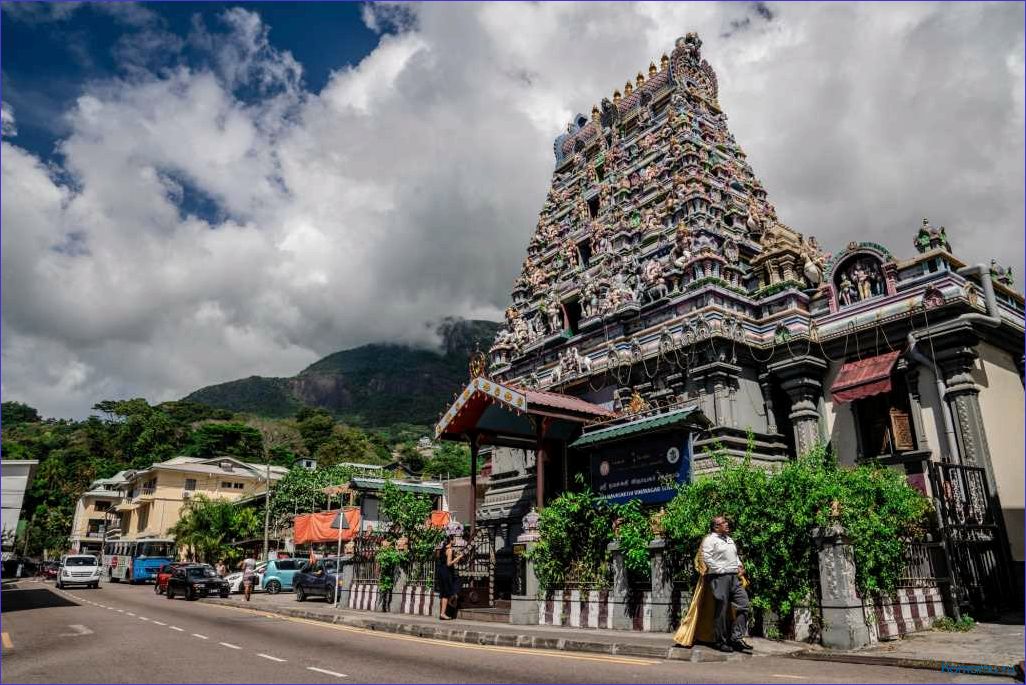
Arul Mihu Navasakthi Vinayagar Temple is a sacred place located in the heart of the city where believers gather for worship and prayer. This temple is dedicated to the deity Vinayagra, who is one of the most revered gods in Hinduism.
Content of the article:
- History of temple Arul Mihu Navasakthi Vinayagar
- Architecture and design of Temple Arul Mihu Navasakthi Vinayagar
- Religious Rites in the Temple of Arul Mihu Navasakthi Vinayagar
- Meaning and Symbolism of Temple Arul Mihu Navasakthi Vinayagar
- Traditions and customs of pilgrims of Arul Mihu Navasakthi Temple.
The majestic architecture of the temple, decorated with exquisite carvings and frescoes, creates an atmosphere of peace and grace. Believers come here to ask for help and protection, as well as to express gratitude for the grace and blessing received from the deity.
The Arul Mihu Navasakthi Vinayagar Temple serves as a place of communion and union for believers where they can share their joys and sorrows, support each other and find inner peace and tranquility. It is a place where the soul can find comfort and inspiration in its spiritual journey.
History of temple Arul Mihu Navasakthi Vinayagar
Arul Mihu Navasakthi Vinayagar Temple has an ancient history related to the mythological legends and cultural traditions of South India. According to tradition, the temple was built in honor of the deity Vinayagra, who is considered a protector and guide of souls in their journey through life.
The temple was originally built in antiquity and has undergone many changes and restorations over the centuries. It has been a place of worship and prayer for many believers, and its architectural style and decorations reflect the wealth and centuries-old history of the region.
Arul Mihu Navasakthi Vinayagar Temple plays an important role in the religious life of the local community and attracts pilgrims from all over the country. Its history and cultural significance make it one of the significant shrines of the region.
Architecture and design Temple of Arul Mihu Navasakthi Vinayagar
Particular attention is paid to the details of the architecture, such as the elegant columns, towers and domes that create the majestic appearance of the temple. The use of various colors and materials gives the building brightness and beauty, making it attractive to visitors and pilgrims.
The interior decoration of the temple also impresses with its luxurious decor, including precious stones, gold and silver. The architecture of the Arul Mihu Navasakthi Vinayagar Temple is a true masterpiece and a fine example of traditional Indian architecture.

Religious Rites in the Arul Mihu Navasakthi Vinayagar Temple
Also, the temple holds special dedication ceremonies, weddings, celebration of religious holidays and rituals of honoring ancestors. Each ritual is accompanied by prayers, meditation and chanting, creating an atmosphere of peace and spiritual harmony.
Visitors to the temple can take part in the rituals by taking part in the puja, offering their prayers and sacrifices. These religious rituals help believers strengthen their connection with the deity, find inner peace and well-being.
Meaning and Symbolics of Temple of Arul Mihu Navasakthi Vinayagar
Arul Mihu Navasakthi Vinayagar is also associated with energy and spiritual strength that helps believers overcome difficulties and achieve their goals. Visiting this temple is considered beneficial and promotes spiritual development and harmony.
Traditions and customs of pilgrims of Temple of Arul Mihu Navasakthi Vinayagar
One of the customs is the preliminary cleansing of the body and mind before entering the temple. Pilgrims usually wash and pray to prepare for visiting the holy place.
In the temple, pilgrims offer flowers, fruits and other gifts to the deity. It symbolizes the devotion and gratitude of believers to God.
Also traditionally, pilgrims walk around the temple clockwise to pay respect to the deity and accept his blessing.
It is also an important custom to worship the deity and to pray for the well-being of oneself and one’s loved ones.


