
Huascaran National Park in Peru
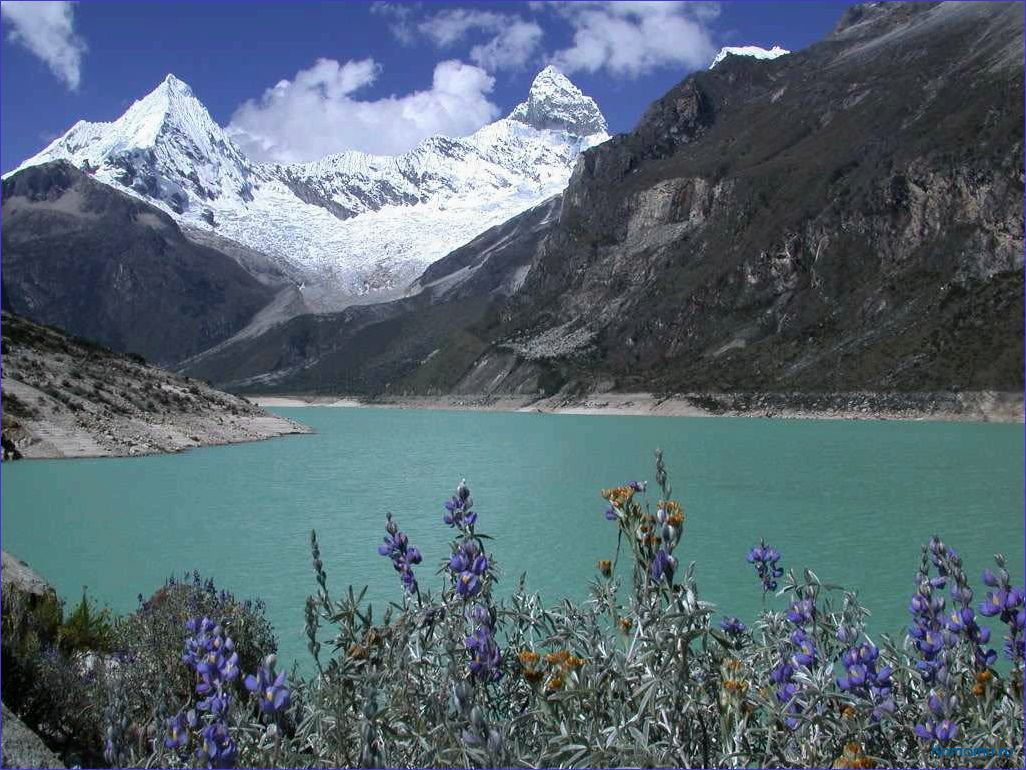
A fascinating place that amazes with its pristine beauty and grandeur. This picturesque place hides many secrets and unique natural phenomena that attract lovers of nature and active recreation from all over the world. High mountain peaks, crystal clear lakes and dense forests create a unique atmosphere full of peace and harmony.
Content of the article:
Every morning here begins with a delightful sight as the first rays of the sun touch the snow peaks, painting them in golden and pink hues. From this moment a new day begins, full of discoveries and amazing encounters. Local guides and residents are always ready to share their knowledge about the culture and history of this region, adding new colors and impressions to your holiday.
The area offers many routes for lovers of active recreation: from easy walks along picturesque trails to extreme mountain climbs. Here you can find entertainment for any taste and level of preparation. And after a busy day spent in the fresh air, the cozy villages invite you to relax and enjoy traditional dishes and the hospitality of the locals.
This corner of the world is famous not only for its natural beauty, but also for its rich cultural heritage. Here you can get acquainted with ancient traditions and customs that are passed down from generation to generation. Every encounter with the locals leaves warm memories and a sense of deep respect for their cultural roots.
History and cultural heritage of the region
In the depths of the mountain ranges there is a hidden history that few people know about. This region is rich not only in natural beauty, but also in centuries-old cultural heritage. Here at every step you can find traces of ancient civilizations, whose achievements and customs still admire scientists and travelers.
The region in question has been home to many tribes and cultures since the Doine times. Some of the first settlers here were representatives of the Chavin culture, whose mysterious stone structures and complex rituals are still of interest to archaeologists. It was here, among the mountain peaks, that the famous temple of Chavin de Ouantar was discovered, which served as an important religious and cultural center.
Later the region became part of the great Inca Empire. The influence of this mighty civilization can be seen in the architectural monuments, terraced fields and ancient roads that still cross the mountains. The Incas built their settlements and temples taking into account the complex terrain of the area, skillfully integrating them into the natural landscape.
With the arrival of the Spanish conquerors began a new era that left its mark on the cultural heritage of the region. Colonial architecture, a mixture of Spanish and local traditions, as well as the influence of the Catholic Church have become an integral part of the history of these places. Many villages and towns retain the architectural gems of the colonial period, preserving the atmosphere of those distant times.

The cultural heritage of the region is also expressed in the traditions and customs of the local people. Folk holidays, musical and dance rituals, passed down from generation to generation, create a unique atmosphere. One of the most significant holidays is the festival of Inti Raimi, dedicated to the sun god, which is celebrated with a special scope.
The history and cultural heritage of the region are an integral part of its uniqueness. By studying the past of this corner of the world, one can better understand not only its rich culture, but also the amazing transformations that have taken place here over the centuries.
Hiking routes
The surroundings of this natural corner offer many hiking opportunities, each of which immerses in unique landscapes and unique impressions. Regardless of the level of preparation, travelers can choose the right route to enjoy the beauty of the local nature.
Popular routes for beginners
For those who are just beginning to get acquainted with hiking, there are easy and well-marked trails that allow you to enjoy the natural beauty without significant physical effort.
Laguna 69: One of the most famous routes that leads to a turquoise lake surrounded by picturesque mountains. The route is about 7 kilometers long and is suitable for all levels of training.
- Pastorali: Pastorali Glacier is another popular attraction. The path to the glacier is relatively short but picturesque, with the opportunity to see ancient plants and ice caves.
Advanced routes for experienced tourists
For experienced travelers, more complex routes are offered that require good physical training and special equipment. These trails run through high mountain passes and offer breathtaking views.
- Santa Cruz: This is a multi-day track that is considered one of the most scenic in the region. The route passes through several passes, including Punta Union at an altitude of 4,750 meters, and takes about 4-5 days.
- Alpamayo Base Camp: This route leads to the foot of one of the most beautiful peaks in the world – Alpamayo. The journey takes about 10 days and requires excellent fitness and endurance.
Regardless of the route chosen, it is important to prepare for changing weather conditions and be prepared for sudden changes in terrain. Careful planning and respect for nature will help make the walk safe and unforgettable.
Rare species of flora and fauna
Flora
The plant world of this corner of nature is amazing with its diversity. Here you can find both short shrubs and bright flowers growing among the rocks and on the slopes of the mountains.
Punia Raymondia is a plant known for its giant flower buds, reaching a height of several meters. It is a symbol of the region.
Polylepis is a tree with an unusual bark that grows at high altitudes and forms unique forests.
Veronica is a herbaceous plant with gentle blue flowers that is often found on alpine meadows.
Soil is a high-mountain shrub whose red berries serve as food for many birds.
Fauna
The wildlife of this region also amazes with its richness and diversity. It is inhabited by both rare species of birds and mammals adapted to high mountain conditions.
The Andean condor is a majestic bird, a symbol of the Andes, with a wingspan of up to three meters. It can often be seen floating in the sky.
Vikunys are slender and graceful animals that live on the highlands and are valuable for their soft fur.
The eyeball bear is the only bear species in South America to have distinctive white spots around its eyes.
The cougar is a large predator that occurs in mountainous areas and plays an important role in the ecosystem as a controller of other animal populations.
The natural diversity of this area is a true treasure that attracts the attention of scientists and nature lovers from all over the world. Coastal care for these species is necessary to preserve the region’s unique heritage for many years to come.
Extreme sports in this reserve
This amazing natural corner provides unique opportunities for those who love the sharp sensations. Everyone who craves adrenaline


