
Tourism in Fort Zealand Suriname
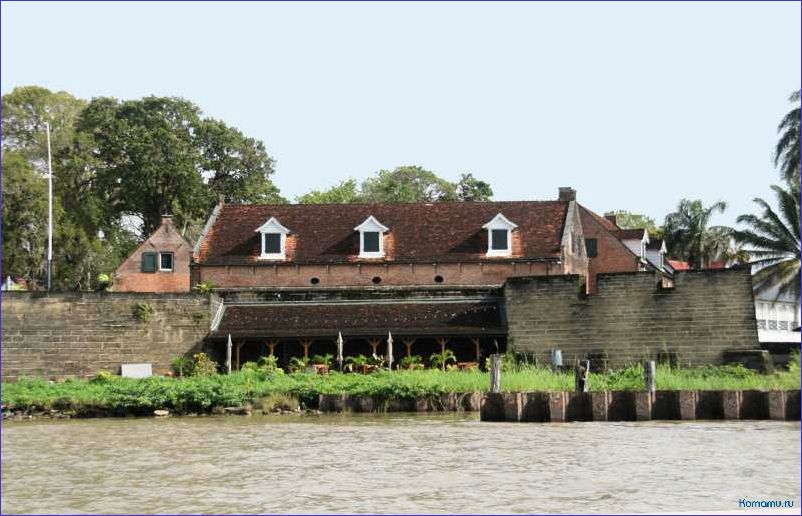
There is a place on the South American continent that attracts lovers of history and culture with its unique colonial heritage. Here, every corner breathes past eras, retaining memories of the events that formed today’s picture of the region. This location allows you to touch the pages of the past, full of drama and greatness.
Content of the article:
The architectural monuments of this place impress with their authenticity and grandeur. They seem to carry travelers back to a time when important historical events took place here. Views of ancient buildings and fortifications inspire admiration for the mastery of architects and give an opportunity to feel the spirit of the era.
Immerse yourself in the atmosphere of the past helps not only the buildings themselves, but also numerous exhibitions presented in museums and galleries. The exhibits, carefully preserved over the centuries, tell about the life and well-being of the people who once inhabited this corner of the earth. Each exhibition opens up new facets of historical events, offering a deep understanding of their significance.
Visiting this place, you can not only expand your knowledge of the past, but also enjoy the picturesque views. Walks in the surroundings reveal stunning landscapes that harmoniously combine with architectural masterpieces. This unforgettable journey promises to be not only informative, but also truly inspiring.
How to get to the historical fort
A trip to one of the main historical sites of the country can be a real adventure. It is important to know in advance how to get to this attraction to make your trip as comfortable and interesting as possible.
Main routes
There are several popular routes that make it easy to reach your destination. The choice depends on your preferences, time and budget.
- Car: If you prefer to travel alone by car, then this is the most convenient way. The roads are in good condition and you can enjoy scenic views along the way.
- Public transport: For those who do not drive or want to save money, public transport is a great option. Regular buses and scheduled taxis run from the city centre to the nearest stop.
- Taxi: Another convenient way is to use taxi services. It is faster than public transport and requires no effort to find a route.
Useful tips
Before going on the road, it is worth considering a few recommendations:
- Time on the way: Please note that the road can take from half an hour to an hour depending on the chosen transport and the road situation.
- Operating mode: Specify the operating hours of the object so as not to get into an inconvenient time.
- Directions: Hold a map or navigator at hand to easily navigate the terrain.
- Essentials: Bring water, comfortable clothing and shoes, especially if you plan a long stay in the territory.
Following these simple tips, you can make your trip to the historical landmark as comfortable and enjoyable as possible.

Architecture and features of building
This section is devoted to the architectural features and unique elements of the building of one of the most important historical objects of the region. Here you will learn how this historical monument was designed and built, what materials were used, as well as the importance of each element in the overall structure of the building.
Structure and materials
The main material used in the construction is red brick, which ensured the strength and durability of the walls. High walls and massive bastions created the impression of inaccessibility and served defensive functions.
- Foundation: The building is built on a solid stone foundation, which guarantees stability even in conditions of high humidity.
- Walls: The thickness of the walls reaches several meters, which made them impermeable to enemy cannons.
- Bastions: The corner bastions allowed for circular shelling, protecting approaches to the building.
Layout features
The interior design included both residential premises and warehouses, arsenals, and prisons. Each room fulfilled its specific function, reflecting the military and administrative role of the structure.
-
- Command Center: The central building where the headquarters and the garrison commander lived.
- Barracks: The residence of soldiers, equipped with everything necessary for a long stay.
- Warehouse: Spacious storage rooms for food, weapons and ammunition.
Prisons: Underground cells for prisoners and prisoners of war.
Each of these premises has been designed with functionality and safety in mind, enabling efficient management of defense and home affairs.
Particular attention is paid to the underground passages and secret passageways that connected different parts of the building and were used for rapid movement in case of siege. These elements added mystery and served as an additional layer of protection.
Thus, the architecture and construction features make this historic site a unique example of defensive architecture, combining practicality, strategic thinking and aesthetic appeal.
Interesting_facts_about_the_fortress
The place in question is full of historical and cultural moments that not everyone knows about. In this section, we will look at some interesting facts that will help you better understand the meaning and uniqueness of this structure.
First, the object has become a symbol of various eras and cultures, from the Dutch colonial period to the present day. Originally built as a defensive fort, it was later used for a variety of purposes, including a prison and a museum. Each of these purposes left its mark, creating a unique collage of historical artifacts and architectural elements.
The second interesting fact concerns the unusual collection of artifacts found in the walls of the building. For example, in one of the rooms were found objects belonging to different historical eras, which testifies to the multi-layered history of this place. Among the finds are Dutch coins, Spanish muskets and even prisoners’ personal belongings, making the tour of the site a real time trip.
Another interesting moment is related to its architecture. The unique shape and style of the building is a distinctive example of 17th-century Dutch military architecture. It is one of the few buildings in the region that have been preserved in such good condition and can serve as an example for studying the Dutch fortifications of the time.
It is also worth noting that this place is often visited by various researchers and scientists engaged in the study of colonial history and archaeology. Every year, scientific conferences and symposia are held here, where specialists exchange their findings and discoveries.
Finally, one of the most interesting features of the object is its role in popular culture. This historic monument has repeatedly become the setting for films and documentaries about the colonial era and the struggle for independence. This adds an additional layer to its already rich history.


