
Travel to Salar de Uyuni – Bolivia
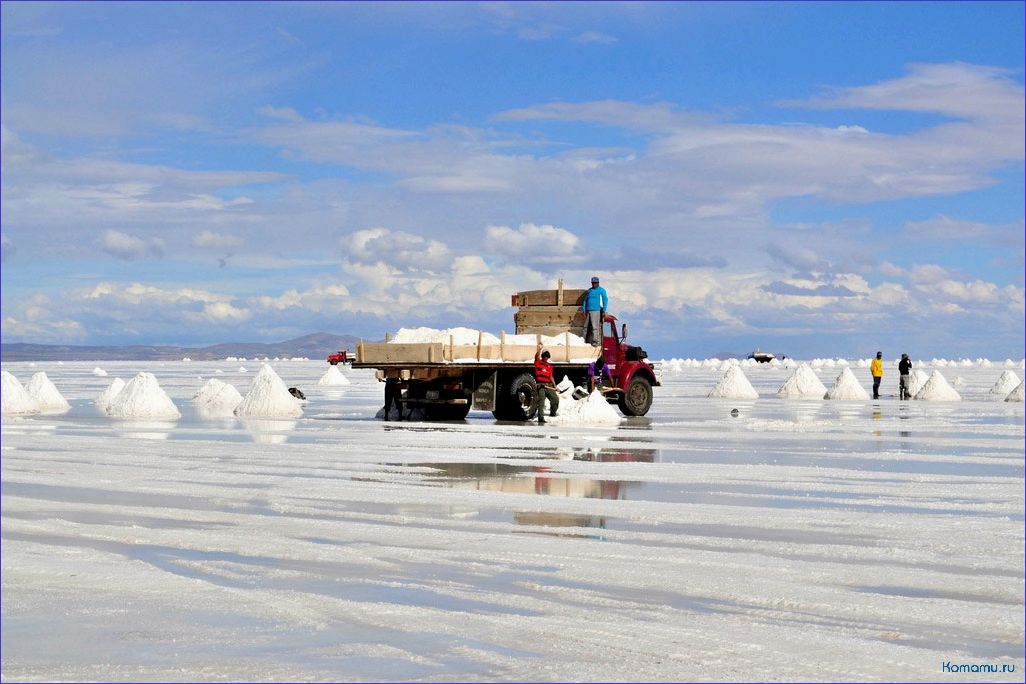
In the heart of South America lies one of the most unusual and fascinating natural landscapes on the planet. This place, shrouded in white silence, is a huge salt lake that amazes the imagination with its size and uniqueness. Here, travelers are waiting for fantastic landscapes that seem to have come down from the pages of science fiction books.
Content of the article:
As you travel through this unique land, you will be immersed in the world of endless salt deserts that in the rainy season turn into a giant mirror that reflects the sky and creates the effect of infinity. In the dry season, this region resembles a snowy field stretching to the horizon. This transformation gives place to magical charm and uniqueness.
This corner of the planet not only admires its natural wonders, but also offers a rich cultural program. In the surrounding villages and towns you can get acquainted with the traditions and life of the local peoples, who have lived for centuries in harmony with the harsh but beautiful nature. Here you can try unique dishes made from local products and see traditional crafts that have survived to this day.
Mysterious cactus islands, ancient fossils and bright pink flamingos add even more colour to this place. Every corner of this unusual region hides its history and its secrets that await its explorers. Immerse yourself in the world of white spaces and discover one of the most amazing wonders of nature!
History of Salt Plateau
Many millions of years ago, there was a prehistoric lake known as Minchin. This giant reservoir was enormous in size and extended over a large territory. Over time, the climate changed, the lake began to dry out, leaving behind extensive salt deposits. In the process of drying the lake formed various layers of minerals, the main one of which was halogenite – the main component of modern salt plateaus.
The stages of the lake’s transformation into a salt flatland include several key periods. The greatest changes occurred during the Pleistocene, when significant fluctuations in climate and water levels occurred. This led to several cycles of filling and drying of the lake, which created conditions for the formation of thick layers of salt and other minerals.
An important milestone in history is the formation of modern plateau relief. This process was completed about 10,000 years ago when the lake finally dried up, leaving behind a vast salt plain. The present appearance of this place was formed under the influence of erosion, wind and rare rains that washed and ventilated the surface.
Below is a table showing the main stages of formation of the salt flatland:

PeriodEventsPrehistoric timesFormation of prehistoric Minchin LakePleistoceneLake filling and drying cycles, salt deposit accumulationAbout 10,000 years agoFinal drying of the lake, formation of a salty plainContemporaryErosion, influence of wind and rain on the surface
The historical development of this natural wonder is inextricably linked to geological and climatic changes. This place serves as an important reminder of the dynamic processes that have shaped our planet over millions of years. Today it represents not only geological but also cultural value, attracting explorers and travelers from all over the world.
How to get to the salt plateau
Visiting one of the most unique natural sites requires careful planning of the route. To get to this place, travelers need to consider several different transport options and route features.
On the plane
The fastest and most convenient way is by air. From the capital or other major cities you can take domestic flights to the nearest airport. Direct flights may not always be available, so sometimes a transfer is required. The air journey usually takes several hours and is a great option for those who want to save time and avoid long journeys over land.
On bus
For lovers of more budget travel there is the possibility to get by bus. Bus routes connect many cities with the nearest major settlement, from where you can continue the journey. Traveling by bus provides the opportunity to enjoy the scenery on the road, but requires more time and patience. Often the roads in this region are not of high quality, and the journey can take several hours or even days.
In addition, you can use the services of travel companies that offer transfers and organized tours. This is a convenient option for those who prefer not to think about logistics and trust professionals.
In any case, regardless of the chosen mode of transport, it is important to prepare in advance, know the schedule of transport and plan the time on the way taking into account possible delays and unforeseen circumstances. The trip to this amazing natural object will be an unforgettable adventure if you consider all the nuances of the route in advance.
Best time to visit
Depending on the time of year, landscapes change, opening up unique views and opportunities for explorers and photographers. Planning your trip according to the season will help you to enjoy the natural beauty and avoid unpleasant surprises.
Rainy season
The rainy season lasts from November to March. At this time, most of the salt flakes are covered with a thin layer of water, creating huge mirror surfaces. This reflection effect is not only impressive, but also provides excellent opportunities for photography. However, keep in mind that rain can make some roads impassable and access to some areas may be limited.
Dry season
The dry season lasts from April to October. During this period, the surface of the brine is hard and dry, which makes it easier to move on it. In the dry season, large expanses of white salt fields open up, which extend to the horizon. These conditions are ideal for long trips and excursions, as well as for creative photo sessions where perspective and optical illusions can be used.
The table below shows the main features of each season:
SeasonPeriodFeaturesAdviceRain seasonNovember to MarchMirror surfaces, magnificent reflectionsCheck the weather forecast, be prepared for limited trafficDry seasonApril to OctoberDry and solid salt fields, easy to moveBring sunscreen, water and headgear
Given the weather conditions and personal preferences, each traveler will be able to choose the most suitable time to visit. Regardless of the season, this natural object leaves unforgettable impressions and gives unique emotions.
Natural features and landscapes
The unique natural features and landscapes of this amazing place will amaze the imagination of every traveler. Here you can observe rare natural phenomena, encounter unusual forms of relief and enjoy fantastic landscapes that seem unreal.
Read also: Amazing trip to San Pedro de Atacama – Chile
Immerse yourself in the edge of unique natural landscapes and ancient cultures, where every corner is filled with magic and mysteries. In this amazing


