
Culture and traditions of Africa – rituals, life and heritage of peoples
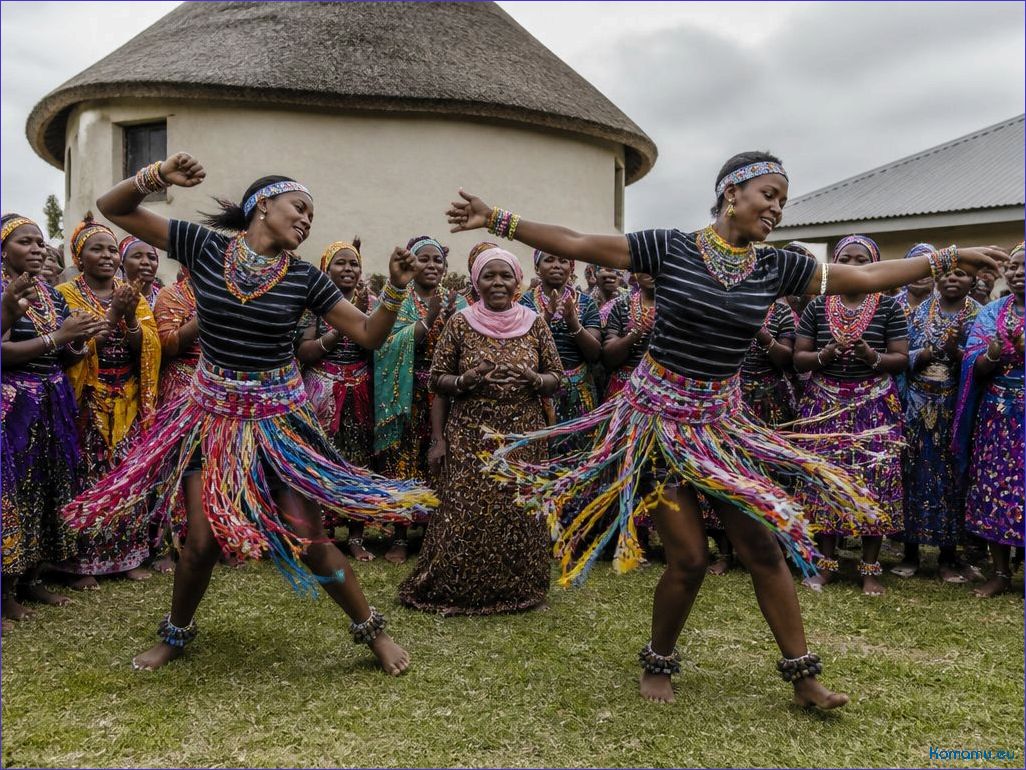
The culture and traditions of Africa represent an incredible diversity that has been formed over millennia. Every nation, from the northern Berbers to the southern Zulus, has unique customs, languages and beliefs. African music, rich in rhythms and melodies, plays a key role in festivals and ceremonies. Traditional dances, such as the gang, often accompany important events, including wedding ceremonies and initiations. Artistic crafts such as wood carving and textiles are passed down from generation to generation, reflecting rich symbolism and spiritual aspects of life. An important element is also the oral tradition, where legends and myths preserve the history and wisdom of the people.
Content of the article:
Plan your adventure with Africa through three pillars: language, ritual, and everyday etiquette. There are 54 countries and more than 2,000 languages on the continent, so “African culture” always breaks down into specific local practices: in one region, the elder is greeted first and extends his right hand, in another, they avoid looking directly at a respected person. Before traveling or preparing material, choose 2-3 ethnicities and 1 region (Sahel, Great Lakes, Horn of Africa, Gulf of Guinea coast) – so you get a clear framework and do not mix incompatible norms.
Collect facts through living occasions: market, family holiday, craft workshop, religious service. For example, in West Africa, the tradition of public storytellers and guardians of genealogical memory is strong, and in the east of the continent, practices are widespread where age groups define roles and responsibilities in the community. If you describe music, masks, or ornaments, fix where they are used: for dedication, wedding, funeral, seasonal ritual, post-conflict reconciliation. The same object changes meaning depending on the context, and this is what makes the description accurate.
Consider the religious map and calendar: in the north and in the Sahel the influence of Islam is noticeable, in a number of countries south of the Sahara there are strong Christian traditions, and nearby there are local beliefs with ancestor worship and sacred groves. Ethiopia has an ancient Christian tradition with its own liturgical rhythm, and in the coastal regions of the Gulf of Guinea, belief systems are found where initiations and promised practices are important. For the reader more useful specifics: indicate what events gather the community, who is responsible for holding, what prohibitions are in effect (clothing, photo, entrance to indoor spaces).
Write about material culture so that it can be “checked on the spot”: name material and technique (clay and burning, weaving on narrow machines, carving on wood, casting on casting models), explain who traditionally performs the work and how skills are transferred. An important detail for the traveler and explorer is the ethics of buying: clarify the origin of the thing, ask about the meaning of the symbols, avoid items with a sacred function unless the owner confirms that the sale is permissible. This approach respects people and gives the reader practical support instead of abstract descriptions.
Africa is a continent where culture and traditions are intertwined in amazing diversity. There are more than 3,000 ethnic groups, each with its own unique traditions, languages and art. Ritual practices related to religion and ancestors, including barbarians and masks, are important. African cuisine is also diverse. Dishes are often made from local produce and passed down from generation to generation. Crafts such as jewelry and ceramics reflect cultural identity and craftsmanship. Family ties and community ties are highly valued on this continent, underlining the unity and solidarity of peoples.
How to prepare for visiting the Masai community (Kenya/Tanzania): greetings, hospitality, rules of communication and prohibitions
To welcome, come calmly, without sharp gestures, keep your distance and wait for the initiative of the owners. Men more often appropriate handshake with short eye contact; Women and the elderly should first limit themselves to greeting words and a light nod. If you are stretched out your hand – answer the same, do not squeeze your hand too tightly and do not tap on the shoulder: for many Masayas, tactility “from top to bottom” is read as familiarity.
Talk to the person designated as the representative of the group: the elder, the landlord, or the designated interpreter. Formulate questions directly and respectfully: instead of “why are you doing this? Ask, “How are you doing?” Give the person time to finish thinking. Do not interrupt or argue in public – comments and clarifications are better addressed through the guide.

Clothing choose closed and neutral colors: cover shoulders and knees, shoes – comfortable, without demonstrative “paradox”. Remove jewelry and expensive watches in the spots: this reduces the risk of misunderstanding and unnecessary requests. Before entering the house, ask with a gesture or words where to put the shoes and where you can get: inside the space is organized according to the rules of the family, and you can not guess them without a clue.
Hospitality: how to accept treats and gifts
If you are offered tea, milk or food, accept it at least symbolically – refusal without explanation is perceived as cold. If you can’t because of your health, say briefly and specifically, “I can’t breastfeed for medical reasons” and suggest an alternative – drinking water. Money “in hand” at all do not transfer: if it is accepted to thank financially, do it through a guide or as payment for an agreed excursion. As small gifts, practical things are better suited: soap, salt, sugar, school notebooks and pens; Leave alcohol and “souvenirs” for other occasions.
If children ask for sweets or money, do not give them away spontaneously – it quickly turns the meeting into a bargain. Say that you will discuss help with the elder, and act through one responsible adult: so you will not violate the internal arrangements of the family and will not provoke competition between the children.
Prohibitions and Sensitive Moments
Don’t take photos of people without explicit consent, and it’s better to get consent before you pick up the phone. Do not close up children, ceremonies and elements of life that show you “in between”: ask separately and accept the refusal without pressure. Do not touch spears, knives, canes, or ornaments without an invitation – items may have status and attachment to the owner.
Do not point a finger at a person, it is better to use an open hand. Avoid jokes about age, marriage, number of children and appearance. Ask questions about income and property only in the format of general interest to the economy and through an interpreter. Don’t discuss religion and “how to live properly” at all, don’t compare the community with other nations – such comparisons easily sound like an assessment.
If you are invited to buy jewelry or to demonstrate jumps, immediately mark the frame: “I’m looking, but I’ll deal with the purchase at the end”. This way you will maintain kindness and do not interrupt communication in endless requests. Say goodbye to the hosts by name (if you called him), say goodbye to the one who decided to visit, and leave without hurry – a sharp turn and “escape” look like discontent.


