
Ethiopia is a country of ancient culture, amazing nature and rich heritage
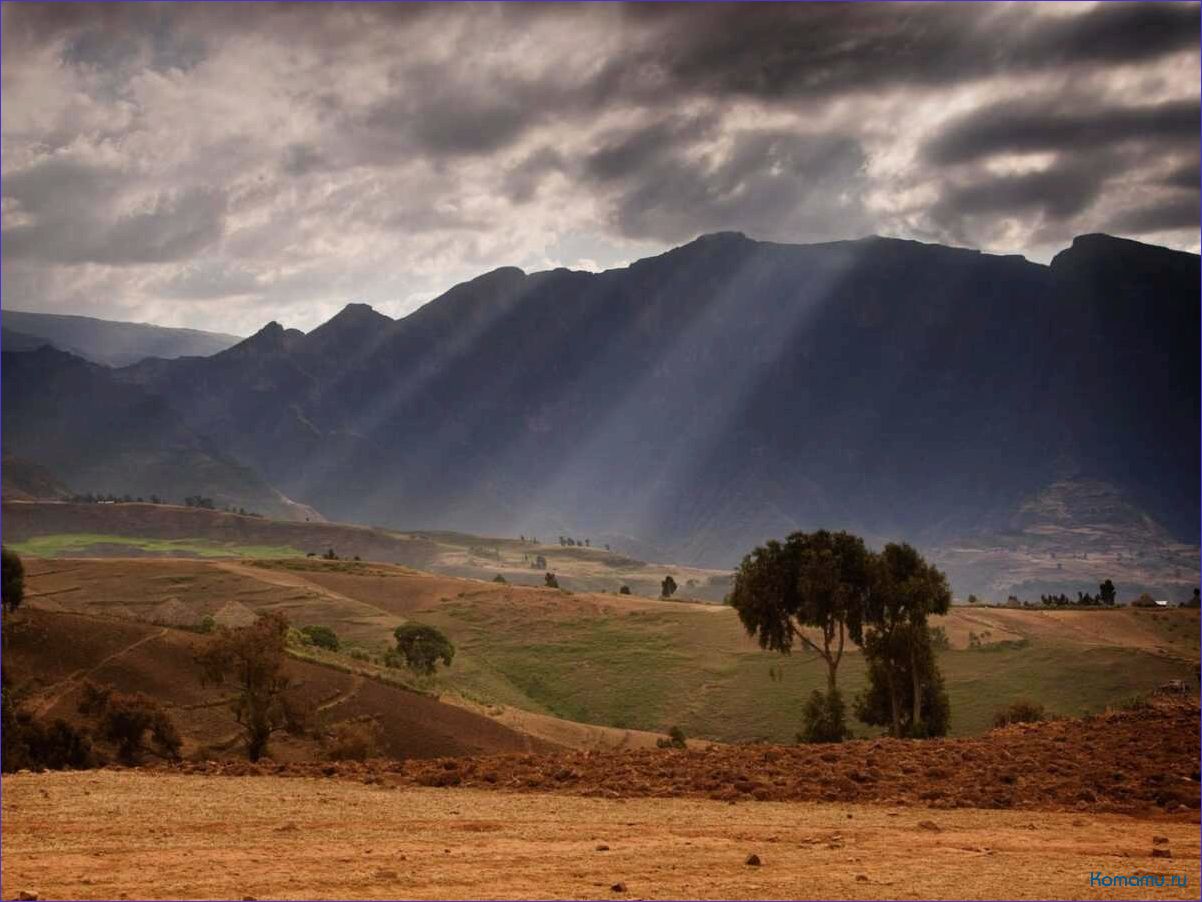
Ethiopia is an amazing country in East Africa, rich in history, culture and natural wealth. It is a place where ancient traditions and the modern world merged, creating a unique combination.
Content of the article:
Ethiopia is one of the oldest countries in the world, where many customs and rituals have been passed down from generation to generation. It is one of the few African states that has never been colonized by European powers.
Ethiopia is amazing with its diversity of nature – here you will find highlands, picturesque waterfalls, deserts and volcanoes. In addition, the country is famous for its unique flora and fauna, including endemic animals that can not be found anywhere else in the world.
Geography of Ethiopia
Ethiopia is rich in water resources – here flows the Nile, one of the longest rivers in the world. There are also many lakes in the country, including Lake Tana, the largest in Ethiopia.
Ethiopia’s geographical diversity also includes high-mountain areas, including the Rift Valley, where the country’s highest point is Mount Ras Dashen. Here you can see unique natural landscapes and wildlife.
Climate and natural conditions
Ethiopia is located in eastern Africa and has a diverse climate and natural conditions. In the country, you can distinguish several zones: highlands, savannahs, deserts, volcanic islands and even eternal snow.
The most comfortable time to visit the country is considered the dry season, which lasts from October to May. During this time, there is little precipitation and the air temperature varies depending on the altitude above sea level.
Ethiopia is rich in diverse flora and fauna. It is home to unique animal species such as hyenas, elephants, lions, antelopes and many others. A variety of plants can also be seen in the country, including exotic coffee varieties that grow in the Ethiopian mountains.

Climate TypeTemperaturePrecipitationSubequatorial25-30°CHigh precipitationSubtropical20-25°CModerate precipitationTropical25-35°CLittle rainfall
Mountains and water resources
Ethiopia is also known for its water resources, including the Nile River, which is a vital source of water for the local population. In addition, the country has many lakes, including Lake Tana, Ethiopia’s largest lake, which is home to many species of fish and birds.
Mountains:Seed MountainsRivers:NileLake:Other
History of Ethiopia
The history of Ethiopia is rich and unique. This ancient state, also known as Abyssinia, has a rich cultural heritage and is famous for its ancient roots. Ethiopia is considered one of the oldest countries in the world, with a history dating back to ancient civilizations.
The most famous period in Ethiopia’s history is the reign of Solomon and Queen Sava, which is related to the legend of King Solomon and Queen Sava. This time is considered the golden time in the history of the country, when Ethiopia was a powerful state that attracted the attention of scholars and travelers from all over the world.
Throughout its history, Ethiopia has faced various challenges, including colonial rule and internal conflicts. However, the country has always retained its unique culture and traditions, making it one of the most amazing and mysterious places on the African continent.
Ancient Civilizations in Ethiopia
Another important ancient civilization in Ethiopia was the Damot civilization, which flourished in the 1st millennium BC. The Damots built fortresses and farmed. Their art and architecture influenced later cultures in the region.
It is also worth noting the Kush civilization, which originated in the Nile valley in the northern part of modern Ethiopia. The Kushites built magnificent pyramids and developed in the fields of art and science.
CivilizationPeriodFeaturesAxum Empire4th century BC eh. VII century AD. eh.Monumental steles, tradeWomenI is out. to n. eh.Fortresses, agricultureBirdNorthern EthiopiaPyramids, Art, Science
Age of reign
In the history of Ethiopia, a special place is occupied by the reign of the kings of the Solomon dynasty. This dynasty, according to legend, goes back to King Solomon and Queen Sava. It was during this period that the foundations of Ethiopia’s statehood and culture were formed. Emperor Ezana, who adopted Christianity, made it the state religion and made a significant contribution to the development of the country.
Emperor Theodore II, known for his reforms and wise rule, strengthened central power and carried out extensive construction work. This era was a time of prosperity and prosperity for Ethiopia, when the country became a center of commerce and culture on the East Coast of Africa.
However, the reign did not go without internal conflicts and struggles for power, which led to a change in the political map of the country. Despite this, these kings left an indelible mark in the history of Ethiopia and are considered great rulers who made significant contributions to the development of the country.
Culture of Ethiopia
Ethiopia’s culture is rich and diverse, reflecting the country’s rich historical heritage. Ethiopia is known for its unique traditions, art, architecture and music.
Traditions: Religion is an important aspect of Ethiopia’s culture. The main religions in the country are Orthodox Christianity and Islam. Folk customs, festivals and traditions passed down from generation to generation also play an important role.
Ethiopian art includes unique painting, wood carving, textile art, as well as ancient manuscripts and architectural monuments such as the churches in Lalibel.
Music: Music plays an important role in Ethiopian culture. Traditional music includes unique melodies, instruments such as musical bows and drums, as well as dances.
Overall, the culture of Ethiopia is an amazing combination of ancient traditions and modernity, making this country a unique cultural center of East Africa.
Traditional customs and rituals
An important aspect of Ethiopia’s culture is also its culinary heritage. The national dish is ginger, thin slices of traditional ginger dough that are served with various sauces and dishes made of meat or vegetables.
The country has many festivals and traditions related to Christianity and Islam. For example, the feast of Epiphany, when Orthodox Christians celebrate the baptism of Jesus Christ, or the feast of Qurban-Bayram, which is celebrated by Muslims.
One of the interesting customs in Ethiopia is the tradition of drinking coffee with family or friends. This process, known as “kittel”, is an important element of social life in the country.
It is also worth mentioning the tradition of wearing national clothing, such as the traditional blanket-like plaid “shama”, which is worn by both men and women.


