
Tourism in Sucre Bolivia A city with four names
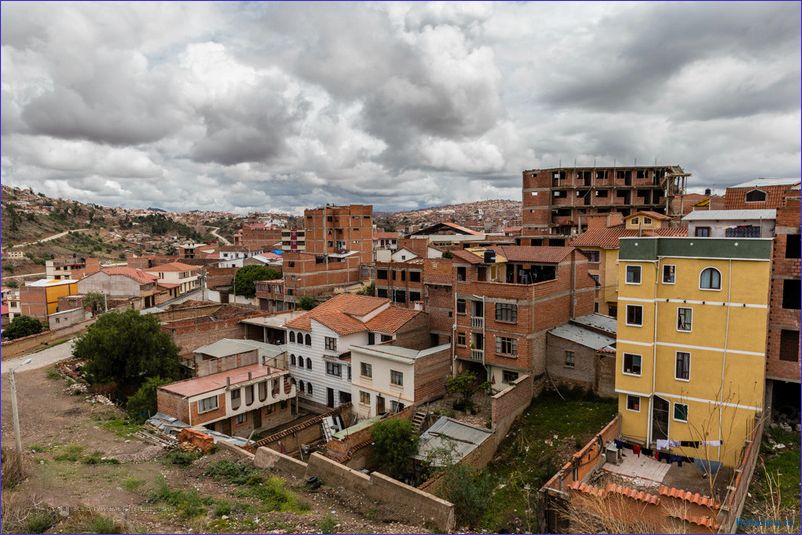
When we talk about a place that holds many cultural layers and historical eras, it is difficult not to admire its richness and uniqueness. This corner of South America, once a colonial settlement and now a cultural center, offers guests not only architectural gems, but also an atmosphere of the past, woven into every street and every stone. Here every corner breathes history, and the residents are proud of their heritage, preserving traditions and passing them on from generation to generation.
Content of the article:
Imagine a place where the snow-white facades of buildings glitter against a blue sky and narrow cobbled streets lead to picturesque squares full of life and joy. Here you can see both traces of ancient civilizations and majestic structures built in the colonial era. It is a place where the past and present intertwine, creating a unique atmosphere.
Historical monuments, unique museums, impressive cathedrals and cozy cafes all make up a unique colour that attracts lovers of culture and history from all over the world. Here, everyone can find something special for themselves: from quiet corners for contemplation to lively markets where you can get acquainted with local crafts and traditions. This amazing town is a true treasure trove for those seeking to learn more about Latin America’s rich heritage.
Architectural sights of Sucre
This corner of Latin America is famous for its magnificent architecture, combining historical heritage and cultural traditions. Looking at the buildings and squares, you will immerse yourself in the atmosphere of the colonial era, feel the spirit of the time and the rich cultural past of the region.
-
- The House of Liberty (Casa de la Libertad)This historical monument is one of the main symbols of independence. The Declaration of Independence was signed here, and now the building houses a museum dedicated to this landmark date. The interior impresses with its magnificence and preserves the atmosphere of those times.
- Monastery of San Felipe NeriWalking through the streets, you cannot miss this magnificent structure. The building impresses with its architecture and snow-white walls. From here there is a stunning view of the cityscape. Visitors can climb to the roof of the monastery and enjoy breathtaking panoramic views.
La Merced Church This Baroque-style religious complex is one of the most beautiful temples in the region. The interior decoration of the church admires with its splendor and grace. Rich altars, carved wooden elements and magnificent stained-glass windows leave an unforgettable impression.
- San Francisco Xavier University BuildingIt is one of the oldest educational institutions on the continent. The architecture of the university combines elements of colonial style and renaissance. The building is not only an educational institution, but also a cultural monument, opening its doors to curious visitors.
- Bolivar ParkHere you can see unusual monuments and sculptures that reflect important historical events and personalities. The park is a popular place for walks and relaxation both among locals and tourists. Particular attention is drawn to the replica of the Eiffel Tower, made on a reduced scale.
Each of these places represents a unique combination of historical value and architectural splendor. Walks around the city will allow you not only to enjoy its beauties, but also to better understand the cultural heritage of this wonderful region.
Culture and traditions
This unique region is famous for its rich cultural life and traditions dating back to ancient times. Heritage and customs reflect centuries of history combined with modernity. Here everyone will find something for themselves, from folklore festivals to unique crafts and folk crafts.
The culture is represented by bright and original festivals that take place throughout the year. One of the most famous is the carnival, during which the streets are filled with music, dances and colorful costumes.

- Carnival: The festival is accompanied by parades, masquerades and performances by folklore groups. This is a time when you can see traditional dances and hear music reflecting the rich history of the region.
- Festival de la Virgen de Guadalupe: An annual religious festival celebrated with processions, concerts and fairs. This festival attracts many tourists and pilgrims from all over the country.
- Independence Day: An important public holiday celebrated with parades, official ceremonies and folk processions.
Folk crafts are an integral part of cultural heritage. In the region you can find many workshops where craftsmen create unique handmade products. Especially popular:
- Tquality: Local craftsmen manufacture traditional fabrics and carpets using ancient techniques and natural materials.
- Racing case: Clay products decorated with unique ornaments are a real work of art.
- Jewelry art: Gold and silver are transformed here into exquisite jewelry, admiring its fineness and beauty.
The traditions of the region also include unique culinary recipes and dishes passed down from generation to generation. In local restaurants and markets, you can try culinary masterpieces that reflect the taste preferences of the residents.
The culture and traditions of this area are not only holidays and crafts, but also the daily life of people, their customs and layout. Coming here, you can immerse yourself in the atmosphere of hospitality and warmth, feel part of a large and friendly community.
Museums and Art Galleries
Art and history lovers will find many interesting places to visit here. The collections of museums and galleries offer unique exhibits that immerse visitors in the rich cultural fabric of this region. Each museum has its own peculiarities and unique artifacts that will tell about the centuries-old heritage and creative genius of local masters.
One of the most significant museums is the Alfredo Gutierrez Valenar Museum, which is famous for its extensive collection of works of art and archaeological finds. The museum has many exhibits ranging from ancient artifacts to works by modern artists.
Name of the MuseumDescriptionAlfredo Gutierrez Valenar MuseumAn extensive collection of works of art and archaeological finds, including both ancient artifacts and modern works. National Museum of Ethnography and FolkloreAt this museum you can learn about the rich cultural heritage of the region through traditional costumes, musical instruments and folk crafts. Museum of Modern ArtDedicated to contemporary artists whose works reflect current trends and problems of society.
The National Museum of Ethnography and Folklore offers its visitors a fascinating journey into the world of folk traditions and customs. The exhibition presents traditional costumes, musical instruments and crafts that allow a better understanding of the culture of the region.
For fans of modern art, it is worth visiting the Museum of Modern Art. Works by contemporary artists that reflect current trends and problems of society are exhibited here. The museum often hosts temporary exhibitions, which allows you to get acquainted with new names and directions in art.
Also read: Tourism in Rio de Janeiro — Brazil
This section immerses you in a world of incredible impressions and vivid emotions from traveling to one of the most exciting corners of South America. Right here.
It is also worth noting the local art galleries, where you can see the works of both famous and novice artists. Galleries often host exhibitions and cultural events, making them popular with art lovers and cultural events.
Visiting museums and galleries is a great way to learn more about the cultural and historical heritage of this unique region, enjoy works of art and immerse yourself in the atmosphere of creativity.


