
Exciting excursion tours for lovers of new discoveries
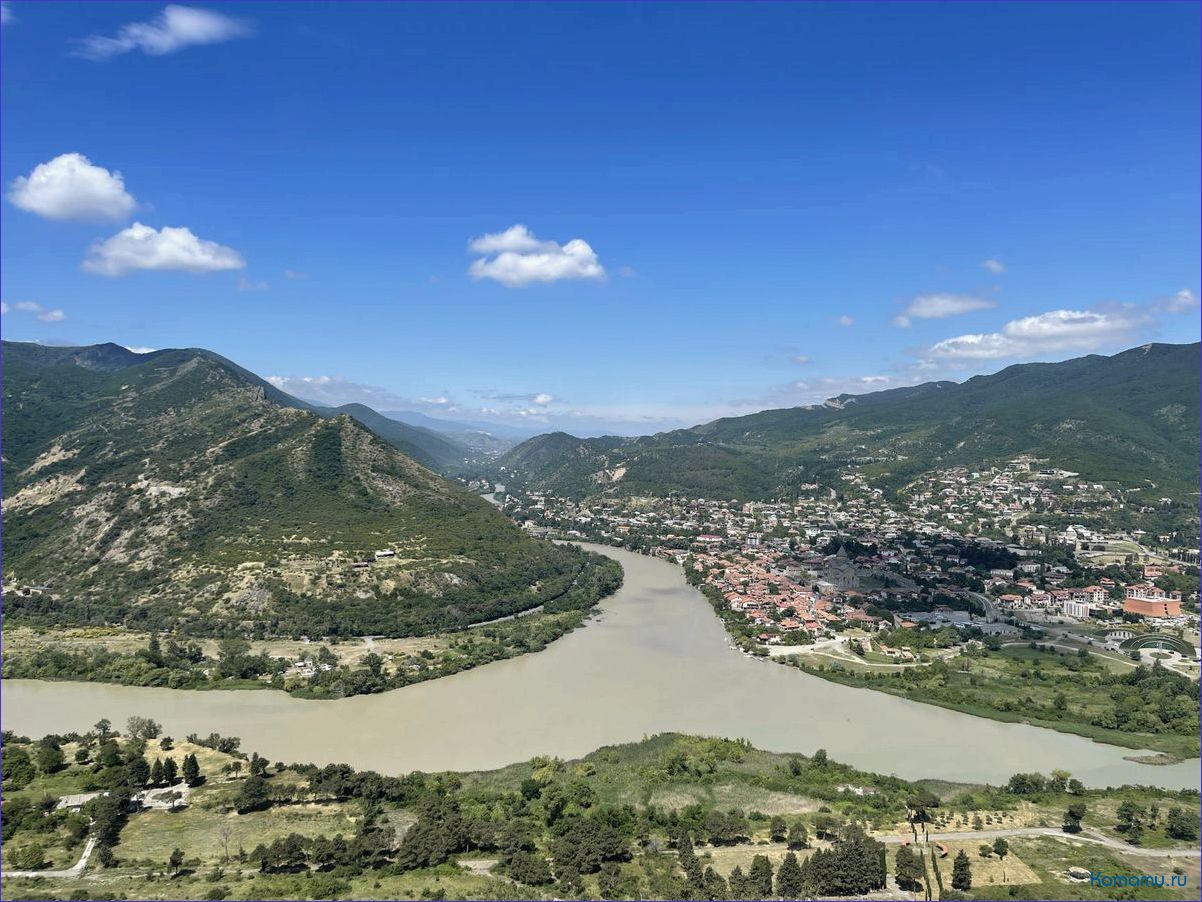
Travel is an amazing opportunity to expand your horizons, meet new cultures and learn about the greatness of historical heritage. Each route offers a unique experience, allowing you to not only consider the picturesque landscapes, but also immerse yourself in the atmosphere of local traditions, tastes and customs. During such trips, adventure and knowledge intertwine, creating vivid and unforgettable memories.
Content of the article:
Such journeys become real windows into different eras and lifestyles, freeing us from everyday routines. It’s important to note that some destinations provide unique opportunities to interact with locals, making even the most ordinary acquaintance with a new city truly exciting. It is not only a chance to see the beauty of nature and architecture, but also to immerse yourself in the spirit of the place and its identity.
Each route is filled with a variety of emotions, which are joined by excursions to museums, historical monuments and nature reserves. Accompanying experienced guides helps to better understand the context in which the events took place, as well as to assess the importance of certain objects. Thus, every place you visit becomes not just a geographical point on the map, but an important part of our personal history.
How to choose the ideal route
When planning a trip, it is important to correctly determine the direction of movement to make the most of the time spent in new places. This process requires careful preparation and a careful approach, as the route chosen depends on how rich and memorable your adventure will be. Here you should take into account the preferences of the participants and the peculiarities of the places that are intended to be visited.
Specify interests and preferences
The first step towards the ideal route is to identify the interests of the group. Think what you are interested in: is it cultural objects, architecture, nature or active recreation? Perhaps you want to try the local cuisine or learn the traditions. It is important to consider the age and physical fitness of the participants to make the route comfortable and accessible to all.
For example, if your company prefers active leisure, it is worth focusing on attending busy activities such as hiking or sporting events. For those who appreciate cultural enrichment, excursions to museums or historical sites are ideal.
Learn route information
Learn as much as possible about the destination and its attractions. We recommend paying attention to: traveler reviews, ratings of popular locations, as well as specialized guides and blogs. Well-studied routes will help to avoid unnecessary waste of time and money.
Don’t forget about the seasonality of your visit. Some locations may be crowded with tourists during the high season, while the low season offers a more relaxed atmosphere and the opportunity to appreciate the beauty of the places to the fullest.

As a result, carefully thinking through all the details of your trip, you will be able to create a unique and unforgettable route that will please all participants and leave only positive memories.
Most_popular_destinations_for_travel_with_excursions
Modern travelers increasingly choose busy and interesting routes that allow not only to relax, but also to immerse themselves in the culture and history of the places they visit. Attractive routes attract the attention of many, because they open up unique opportunities to explore new horizons. In this section, we will look at the most popular destinations for such trips and their features.
Traditional popular destinations
For many years, certain regions remain a favorite with tourists. Here are some of them:
- Italy: Historic cities such as Rome, Florence and Venice attract travelers with their architectural masterpieces, museums and magnificent cuisine.
- France: Paris is not only the cultural capital of the world, but also a place where you can enjoy art and gastronomy. In addition, the Loire Valley and Provence are known for their picturesque landscapes.
- Japan: The country of the rising sun amazes with an unusual combination of ancient traditions and modern technology. Kyoto, Tokyo and Osaka offer a unique palette of experiences.
Unusual and exotic places
In recent years, travelers have begun to look for new, lesser-known destinations that can offer something special:
Iceland: Unique nature, volcanoes, geysers and glaciers create unforgettable impressions for lovers of active recreation.
Nepal: A country famous for its mountainous landscapes and cultural heritage, it offers the opportunity to see the world from the height of Everest.
- Portugal: Cozy cities such as Lisbon and Porto delight in their atmosphere and beautiful ocean views.
Choosing the right direction can be a decisive factor for making unforgettable impressions. It is important to consider your interests and preferences in order to enjoy the atmosphere of the visited region as much as possible.
Influence of tourist activity on culture
Tourism, as a phenomenon, plays a significant role in the formation and development of the cultural heritage of countries and regions. This is due to the exchange of experience between tourists and locals, which contributes not only to the popularization of local traditions, but also their preservation. The opportunity to touch other cultures enriches people’s personal perception, expands horizons and opens up new perspectives. In this section, we will look at how such active trips affect the cultural environment in different aspects.
Preservation of cultural traditions
Interaction between travelers and the local population plays an important role in preserving unique cultural traditions. Masters of folk art, craftsmen and performers of folklore get the opportunity to share their knowledge and skills with interested tourists. This not only promotes the popularization of traditional practices, but also creates incentives for their further development.
Impact on local communities
Tourism can significantly change the economic and social structure of local communities. The emergence of new sources of income often contributes to improved quality of life and job creation. On the other hand, an increase in the number of visitors can result in a strain on the infrastructure and changes in the daily lives of local residents. It is important to consider both positive and negative consequences when taking part in travel.
Positive impactNegative impactCultural HeritageLoad on infrastructureJob creationLifestyle changesIncreased interest in cultureCommercialization of cultural practicesDevelopment of the local economyHousing and Commodity Prices
Thus, the interaction between tourists and local culture is multifaceted and often contradictory.


