
Tourism on Easter Island in Chile
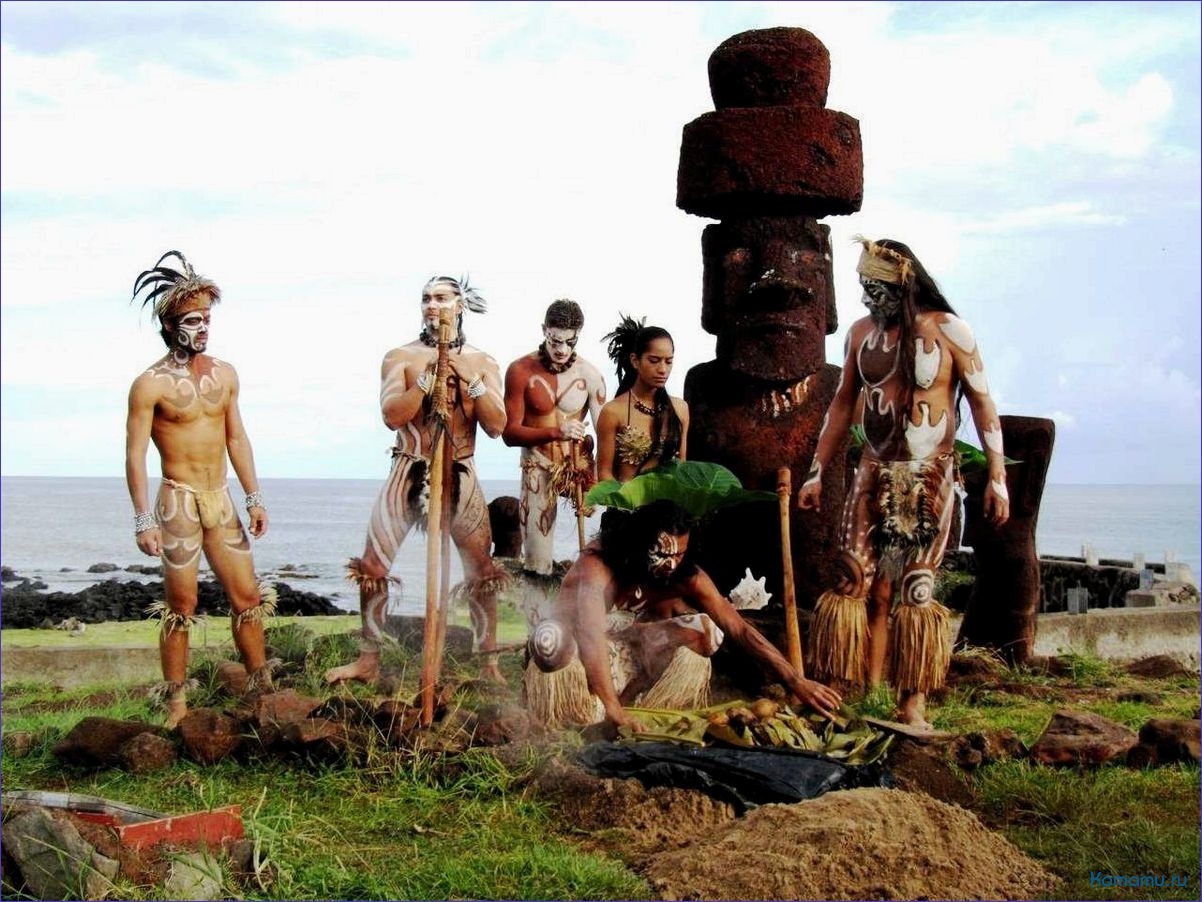
On the plains of the water, in the very center of the infinite expanses of the ocean, lies a mysterious and attractive place with a unique charm. This stretch of land with ancient history and cultural heritage has long attracted adventure seekers eager to immerse themselves in the atmosphere of something unusual. Everyone who visits this place will discover something new and exciting.
Content of the article:
Since ancient times this region has been surrounded by legends and myths that still excite the imagination. Magnificent landscapes, unique natural formations and the secrets of ancient civilizations – all this creates a unique atmosphere. Guests, stepping on this land, feel the breath of centuries and the connection with the distant past, full of mysteries and secrets.
Travelers who decide to go here immerse themselves in a world where nature and history are intertwined into one whole. Walking among ancient monuments and exploring local attractions allows you to feel the power and greatness of long-extinct civilizations. Here every stone, every rock tells its story, inviting guests to new discoveries and adventures.
Mystery statues moai
Monoliths cut from volcanic tuff were called moai. These impressive figures, reaching in height from a few meters to more than twenty, impress with their monumentality and mystery. Although their exact purpose and means of transportation remain the subject of debate, one thing is clear: the Moai are a symbol of the power and culture of the ancient people who once inhabited the region.
According to legend and oral tradition, the Moai embodied the spirit of their ancestors and great leaders. These statues played a key role in religious and social rituals, being the link between the world of the living and the world of the spirits. The patterns of the stone giants are directed towards the interior of the island, which some researchers believe symbolizes their protective function aimed at protecting the locals and their well-being.
An important element in understanding the meaning of the moai is their location on stone platforms known as ahú. These platforms, also built from volcanic rocks, served as a venue for rituals and ceremonies. Many Ahu are true architectural masterpieces, demonstrating the high level of craftsmanship and engineering thought of ancient builders.
The process of creating and installing a moai is still shrouded in many mysteries. Archaeologists and historians have put forward various theories about the methods of processing and displacing these giant statues. Some believe that ancient masters used sophisticated systems of ropes and levers, others suggest the existence of unique technologies lost over time. However, so far, none of the hypotheses have received unequivocal confirmation.
Modern research projects and excavations continue to unravel the veil of mystery over the mysterious Moai. New findings and discoveries help to deepen our understanding of the culture and life of an ancient people who left behind such a magnificent legacy. Today, Moai are not only an important subject of study, but continue to inspire and attract many people from all over the world who seek to touch on ancient history and unravel its secrets.

Traditions and culture of the Rapanuites
The Rapanuites, the indigenous inhabitants of this remote corner of the Earth, have a rich cultural heritage that has been formed over the centuries. Their customs and traditions reflect a unique combination of history, nature and spiritual beliefs, making their cultural heritage invaluable and unique.
The main aspects of the cultural life of the Rapanuites include:
- Language and writing: The Rapanui speak the Rapanui language, which belongs to the Polynesian group of Austronesian languages. The unique Rongo-Rongo script is represented by mysterious hieroglyphs that are still not fully deciphered by scientists.
- Festivals and Rituals: Rapanui people celebrate many traditional festivals, including the famous Tapati Rapanui Festival. This colorful festival is accompanied by songs, dances and sporting events, reflecting ancient customs and legends.
- Music and dance: Dances and music play an important role in the life of the Rapanuites. Traditional dances, such as hoko, are performed with percussion instruments, creating a fascinating rhythm and dynamics.
- Arts and Crafts: Local craftsmen create amazing products from wood, stone and other natural materials. Especially famous are the wooden sculptures and ornaments that convey the spirit and aesthetics of the Rapanuit culture.
- Religious beliefs: The ancient beliefs of the Rapanuites are closely related to the worship of ancestors and natural forces. Shrines and ceremonial platforms, known as ahu, testify to a complex system of spiritual rituals and rituals.
Rapanuit culture continues to live and develop despite external influences and historical upheavals. Their traditions are passed down from generation to generation, preserving the uniqueness and identity of this amazing people.
History and life of indigenous peoples
The indigenous inhabitants of this unique corner of the planet have a rich history and an original way of life. Their culture was shaped by isolation and limited natural resources, which led to the creation of unique traditions and customs. The relationship with nature, the special attitude to land and sea, as well as the ancestral heritage play a key role in the daily life of these people.
Origin and settlement
According to legend and scientific research, the first settlers arrived on this remote piece of land around 1200 AD. These people are believed to have come from the Polynesian islands, having crossed thousands of kilometers across the ocean. They brought with them knowledge of navigation, agriculture and fishing that allowed them to survive and thrive in isolation.
Social structure and organization
Indigenous society was organized within a clan system, where each clan had its own lands and resources. Leaders and priests played an important role in governance and religious rituals. They were responsible for holding ceremonies related to the worship of ancestors and natural forces.
The main aspects of indigenous life are presented in the table:
AspectDescriptionAgricultureThe main cultures included sweet potatoes, tarot and bananas. The fields were fenced with stone walls to protect them from the wind. FishingThe sea was an important source of food. Simple boats and fishing gear were used. RemyoslaDeveloped carving on wood, stone and manufacture of textile products from local materials.ReligionWorship of ancestors and natural forces. Complex rituals and ceremonies.HousingHouses were built of stone and plant materials, often in the form of boats.
Over the centuries, the indigenous people have adapted to the harsh conditions, developing a unique culture and way of life that is still admired by explorers and travelers.
How to get to the mysterious_island_in_the_Pacific
Reaching this remote corner of the Earth is possible in several ways that will suit both air travel lovers and those who prefer sea adventures. Despite its remoteness, this place attracts many visitors due to its unique culture and historical monuments.
The main and fastest way to the ancient mysteries of the island is by air. Daily flights from major cities in Latin America provide a convenient and fast way to get to your destination. The journey time is about 5-6 hours, which allows travelers to quickly move from modernity to the world of ancient civilizations.
City of departureAirline


