
History, culture and natural resources Zimbabwe is an amazing country in southern Africa
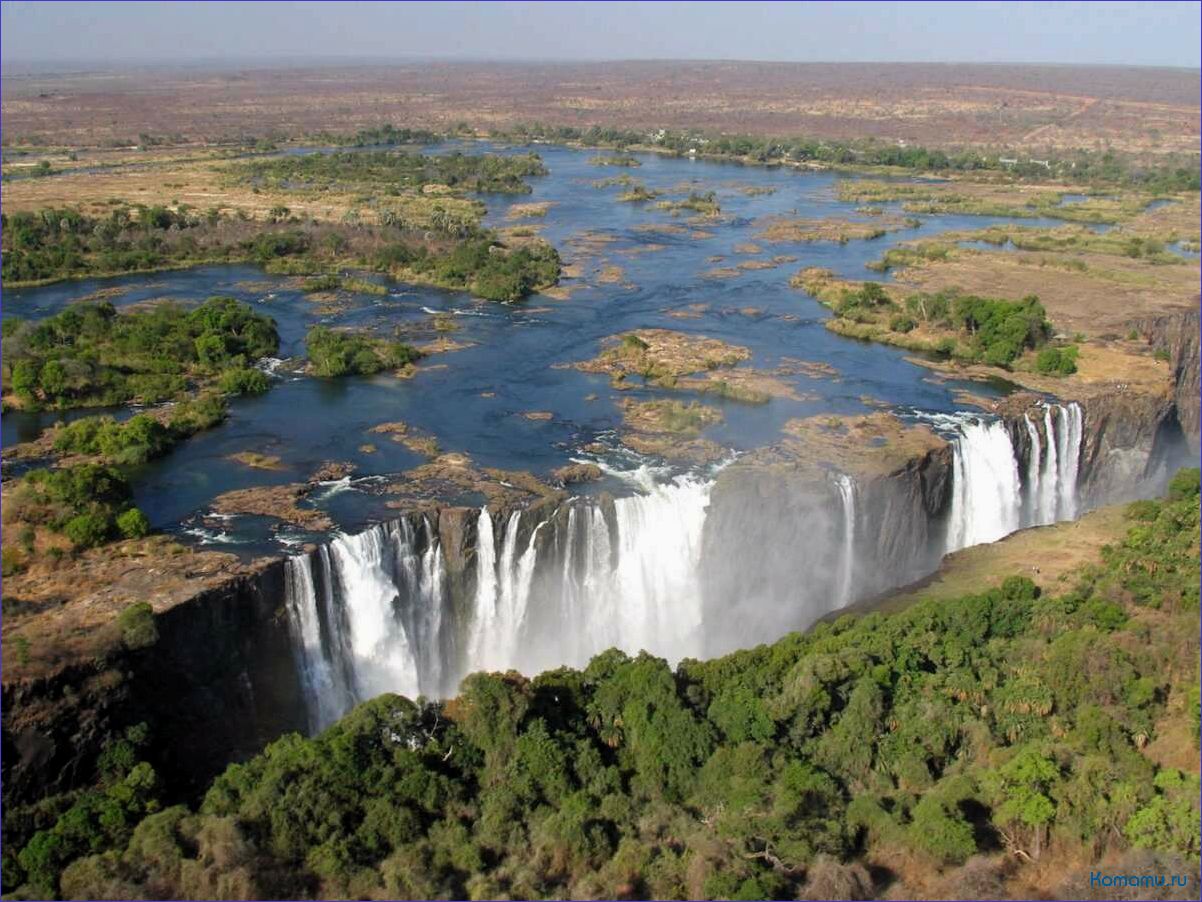
Zimbabwe is an amazing country located in southern Africa. This amazing corner of the earth is rich in history, culture and natural wealth. Zimbabwe is a place where ancient traditions and modern trends are mixed, creating a unique appearance of this country.
Content of the article:
The history of Zimbabwe is steeped in events ranging from the time of the ancient colonies to the present day. This country has witnessed many historical twists and turns, including the struggle for independence and the construction of a new state. Today Zimbabwe is a country that strives for development and prosperity while preserving its unique traditions and cultural heritage.
The natural wealth of Zimbabwe amazes the imagination with its diversity and beauty. Here you can find picturesque national parks, magnificent waterfalls and amazing landscapes that attract tourists from all over the world. Zimbabwe is a country where you can enjoy unique nature and discover new horizons of adventure.
Colonial past of Zimbabwe
Zimbabwe, located in South Africa, had a difficult colonial past. In the 19th century, the territory of present-day Zimbabwe was under the control of the British Empire. The British brought slaves from other parts of Africa to work on plantations and in mines.
Brutal methods of exploitation by the colonial authorities led to mass uprisings and struggles for independence. In 1980, Zimbabwe became an independent state, freed from colonial oppression.
This period of Zimbabwe’s history left a deep mark on the minds of its people, forming a strong aspiration for freedom and independence.
Fight for independence
Zimbabwe’s struggle for independence began in the mid-20th century and was directed against British colonial rule. The national liberation movement, led by Robert Mugabe, played an important role in this process. The struggle for independence was fought both by peaceful means and armed resistance.
As a result of a long and bloody struggle, Zimbabwe gained independence from Britain in 1980. This period became crucial in the country’s history and laid the foundations of the modern state, although new challenges and problems related to political instability and economic difficulties arose after independence.

Climate and natural resources
Zimbabwe’s natural resources include coal, chromium, gold, platinum, nickel, copper, forests, water resources, as well as fertile soils suitable for agriculture. The country is known for its national parks and reserves, home to various species of wildlife, including elephants, lions, giraffes and rhinos.
Cities and attractions
Main Industries
Mining industry, including the extraction of gold, platinum, coal and other minerals.
Agriculture, which occupies an important place in the country’s economy and includes the cultivation of cotton, tobacco, corn, etc.
-
- Food production, including flour, meat, dairy and other industries.
Chemical industry producing fertilizers, pesticides and other chemical products.
- Mechanical and metal working, including the manufacture of equipment for the mining and agricultural industries.
Agrarian sector and tourism
Zimbabwe’s agricultural sector plays a key role in the country’s economy, ensuring food security and agricultural exports. The main crops include tobacco, cotton, corn, sugar cane.
Tourism also has great potential in Zimbabwe thanks to its unique natural attractions, including Zambezi and Victoria Falls, national parks with rich wildlife. Tourism contributes to economic development and job creation in the country.


