
Mendenhall Cave in Alaska as a popular tourist destination
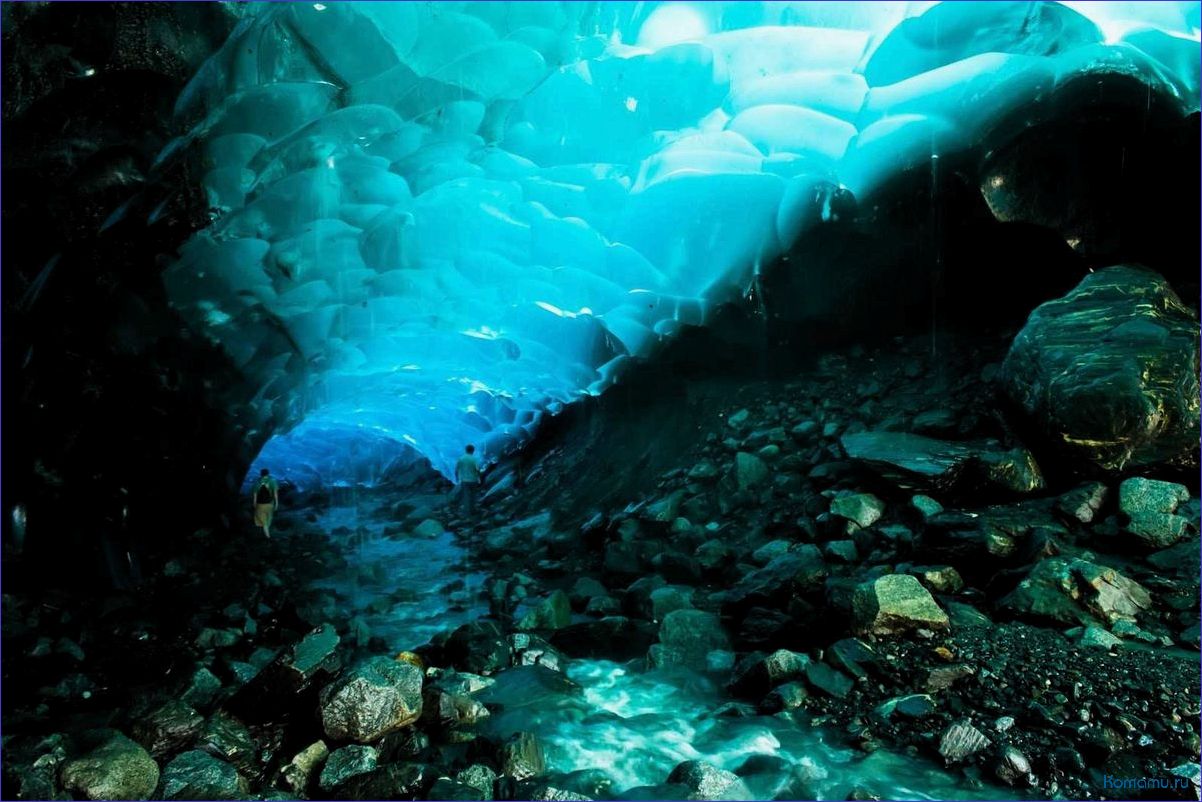
A journey into the vast expanses of the northern lands reveals to the explorer an amazing world hidden in the depths of the mountains. In the heart of the northern latitudes, where nature reigns in its most mysterious manifestations, there is one of the secret treasures that attracts the attention of those who seek to understand and feel the greatness of the earth. It is a place where the power of natural phenomena and ancient secrets hidden in the depths of the earth merge.
Content of the article:
- History of the formation of the ice cave
- Unique geological features of the region
- Biodiversity around glacial formations
- Types of excursions for travelers
- Tourism infrastructure and service in the region
- Climate and weather conditions
- Security Tips for Visiting Underground Objects
- Environmental aspects of the preservation of underground ecosystems
- Eco-tourism and conservation of cave ecosystems
The magic of this unique corner is manifested in its ability to surprise and admire – every rock, every projection, every splash of water here are part of a living puzzle created by centuries of interaction of natural forces. Behind the stone walls, where the secrets are intangible, hides a world filled with ancient legends and unexpected discoveries.
The charm of this place cannot be verbally described – it requires a careful look and deep inner immersion. Among the endless spaces of the northern landscapes, it stands out with a special aura of mystery and inaccessibility, inviting those who are brave and curious to travel to the heart of the unknown.
History of ice cave formation
The formation of unique underground spaces hidden in the thickness of ice is a complex and lengthy process that involves many natural phenomena and factors. Understanding how these amazing natural objects arose requires knowledge of the interaction of glaciers, water and geological structures.
Glacier activity and its role
The beginning of the history of the formation of ice caves should be traced back to the distant past, when climate change led to significant displacements of ice masses. These giant ice rivers moved, putting pressure on the surface of the earth and forming cavities beneath them. Over time, the glaciers not only dug out new caves, but also expanded existing ones.
Ice melting plays a special role in this process. Water passing through the glacier washes away paths, creating and expanding underground channels. This phenomenon is especially active in the summer months, when the temperature rises and the ice begins to melt intensely. Thus, water acts as a sculptor, constantly changing and forming new spaces.
Influence of geological features
The geological structure of the region also has a significant influence on the formation of underground cavities. Different rocks lying under the ice react to pressure and erosion differently. Soft rocks can be easily washed away by water, creating extensive cave systems, while hard rocks form resilient vaults and walls.
In addition, tectonic movements and shifts in the Earth’s crust can contribute to the formation of cracks and voids that over time fill with ice and water. These natural processes, taking place over millennia, create complex and impressive underground landscapes that continue to evolve to this day.

The history of the formation of ice caves demonstrates how the powerful forces of nature are able to create amazing and unique objects that are real works of art hidden under the thickness of centuries-old ice.
Unique geological features of the region
This region is famous for its amazing geological diversity. Its nature is full of surprises and discoveries that attract researchers from all over the world. Here you can see rare geological phenomena that have formed over millennia, creating stunning natural formations.
Geological processes
The region is a unique laboratory for the study of various geological processes. These include:
-
- Glacial erosion: Long years of glacial activity have left their mark in the form of deep valleys and unique reliefs.
- Tectonic shifts: The site is in a zone of active tectonic activity, which leads to the formation of cracks and fractures.
Volcanic activity: Although not so pronounced, traces of ancient volcanoes can be found in the form of fossils and lava flows.
Mineral diversity
The region is rich in various minerals, many of which are found only here. Mineralogical features include:
Quartz: Found in various shapes and colors, often forms beautiful crystal structures.
- Field Spades: They form impressive geometric shapes and give a special beauty to the local rocks.
- Sludge: Its shiny plates can be found in various rocks, adding shine and mystery to the landscape.
These features make the region particularly interesting for geologists and nature lovers, offering unique opportunities for exploration and discovery.
Biodiversity around glacial formations
The glacial formations of this region provide unique conditions for a diverse flora and fauna. The influence of climatic and geological features on the development of living organisms creates a unique ecosystem that is not found elsewhere. Here you can see an amazing combination of plants and animals adapted to harsh conditions and crystal clear waters.
In the vegetable world of the vicinity of glaciers can be found both ordinary species and rare representatives of the flora. The landscape is represented by dense forests, where coniferous trees predominate, such as:
- Picea sitchensis
- Western Tsuga (Tsuga heterophylla)
In addition to coniferous trees, you can also see short shrubs and grasses, such as:
- Custarnic blackberry (Vaccinium)
- Common lobster (Filipendula ulmaria)
The animal world of the region is also very diverse. Mammals living here include such representatives as:
- The brown bear (Ursus arctos)
- Black bear (Ursus americanus)
- Northern deer (Rangifer tarandus)
- Mountain goat (Oreamnos americanus)
The surrounding bird world is rich and diverse. Among the feathered inhabitants are:
- White-headed eagle (Haliaeetus leucocephalus)
- Washing seagull (Rissa tridactyla)
- Alcedo atthis
In the waters of the surrounding lakes and rivers you can find many species of fish. The most common are:
- Salmon (Salmo salar)
- Rainbow trout (Oncorhynchus mykiss)
Thanks to the unique conditions, this area has formed an ecosystem in which each species occupies a special place, contributing to the maintenance of natural balance. The adaptation of organisms to cold and harsh conditions allows them to thrive and maintain the biodiversity of the region at a high level.


