
Business tourism as an important element of modern business
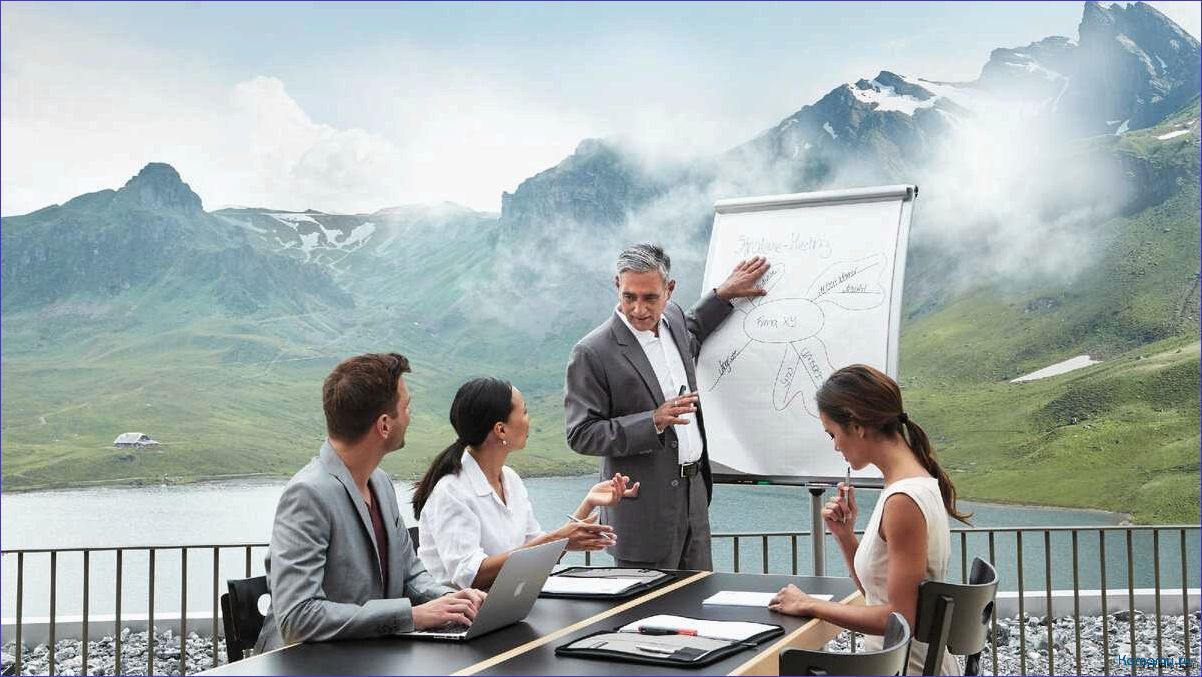
In today’s world, mobility and interaction play a key role in the success of many companies. The ability to expand horizons, find new partners and tap into markets beyond home has become an integral part of the strategy of many organizations. People often travel to attend conferences, meetings and exhibitions, strengthening business ties and exchanges.
Content of the article:
Moving to take advantage of opportunities in different parts of the world requires careful planning and preparation. Every aspect, from the choice of destination to the organization of accommodation and transfer, is crucial to the successful completion of the enterprise. In this context, it is important to consider not only the financial costs, but also the potential interaction that may arise as a result of the trip.
In addition, this format of interaction opens the door to new knowledge and cultures, contributing to the development of not only business, but also personal qualities of participants. Every new acquaintance, every meeting can become a starting point for significant changes and improvements in the company, making travel indispensable in the arsenal of modern entrepreneurial tools.
Historical development of business travel
The history of business-related movements goes back many years and is closely related to the development of trade and the economy. These visits were of great importance for networking, expanding markets and building partnerships. They have evolved over time, reflecting changes in the socio-economic environment and technological advances.
Over the centuries, such journeys have taken different forms, which can be traced to several key stages:
-
- Antiquity and the Middle Ages: The movements of merchants and diplomats from one country to another were major, and such journeys often took dangerous routes. However, it was at this time that the first trade agreements and diplomatic relations appeared.
From the 14th to the 17th centuries, trade routes began to develop more actively, various fairs and exhibitions appeared. This time has become a landmark for strengthening economic ties and expanding business boundaries.
19th century: With technological progress (including the advent of railways and steamships), travel became more affordable and faster. New forms began to emerge, such as exhibitions and congresses, which facilitated the establishment of business contacts.
- 20th century: The development of aviation has radically changed the approach to business travel. The establishment of international business standards and practices has led to globalization and increased international cooperation.
- 21st Century: The era of digital technology and the Internet has changed the very approach to travel planning. Virtual meetings and conferences have become an alternative, but traditional travel remains important for establishing personal relationships.
Thus, the evolution of business-oriented travel reflects changes in economic interests, social dynamics and technological progress. It is important to note that each era has brought something new to the concept of knowledge transfer and connectivity, making business travel an integral part of the global community.

Types of business travel
Professional trips can be diverse and have their own peculiarities depending on the goals and tasks that the participants set themselves. Each travel category requires a specific approach, understanding of the specifics and clear organization, which ultimately ensures the effectiveness of the activities and meeting the needs of all participants.
The main types of such trips include:
-
- Conferences are events where participants gather to discuss important issues, exchange experiences and present research results.
- Seminars are more narrow-minded meetings where training, trainings and practical classes on a specific topic are held.
Exhibitions are special events where companies showcase their products and services, attracting potential customers and partners.
- Business meetings – meetings between representatives of different companies to discuss cooperation, concluding transactions and establishing partnerships.
- Trainings are educational events in which specialists improve their qualifications and develop professional skills.
- Negotiation trips – trips the purpose of which is to discuss the terms of joint work or agreements between the parties.
- Internships – programs that allow employees to consolidate the acquired knowledge in practice and gain new experience in the conditions of another company or institution.
Each of these types of trips has its own unique features that require careful preparation and conduct. It is important to take into account both the needs of the participants and the specific conditions of the venue to make the most of time and resources. Given the variety of formats of such professional visits, the organization and planning become key aspects for achieving successful results.
Understanding the different types of travel makes it easier to adapt to the requirements of each event and ensure its maximum effectiveness for all stakeholders.
Role of organizers in business events

Organizing activities aimed at maintaining and developing professional relationships requires a high degree of preparation and attention to detail. Of course, a successful event cannot be imagined without the participation of experienced specialists, who take on the tasks of planning, coordination and implementation of all aspects of the meeting. These professionals play a key role in creating conditions conducive to productive and effective interaction of participants.
The initial task of the organizers is to understand the goals and needs of the customer. This requires a careful analysis of requirements and expectations, which allows you to create an individual approach to each event. Effective communication at all levels – from the customer to the participants – contributes to a smoother organization process and minimizes possible problems.
In addition, selection of the venue and selection of the necessary resources are the most important stages of the work of the organizers. Choosing the right space, taking into account the number of participants, the facilities available and the necessary infrastructure, directly affects the overall perception of the event. Qualified professionals are able to create a comfortable atmosphere where participants can focus on their tasks and goals.
Technical support is also included in the list of responsibilities of the organizers. Modern tools such as online attendee registration platforms, event management systems and flexible engagement tools are becoming an integral part of successful meetings. They can improve interaction by simplifying the registration process and increasing participant engagement.
Do not forget about further evaluation of the results of the event. Professionals should analyze the feedback of participants, which will allow to identify the strengths and weaknesses of the meeting held, as well as make corrections in the future. This guarantees constant improvement of the quality of the organization and compliance with the current requirements of customers.
Thus, the role of event organizers is not limited to logistical tasks. Their influence extends to the entire structure, atmosphere and results of the event, making them indispensable in the process of achieving the set goals and forming strong business relationships.
Advantages of business travel
Travel related to professional activities opens up many opportunities for participants. They have become an integral part of modern business and allow you to reach new horizons, strengthen business ties and broaden your horizons. The benefits of such travel are not limited to travel


