South Africa is a country of contrasts, cultural diversity and unique nature
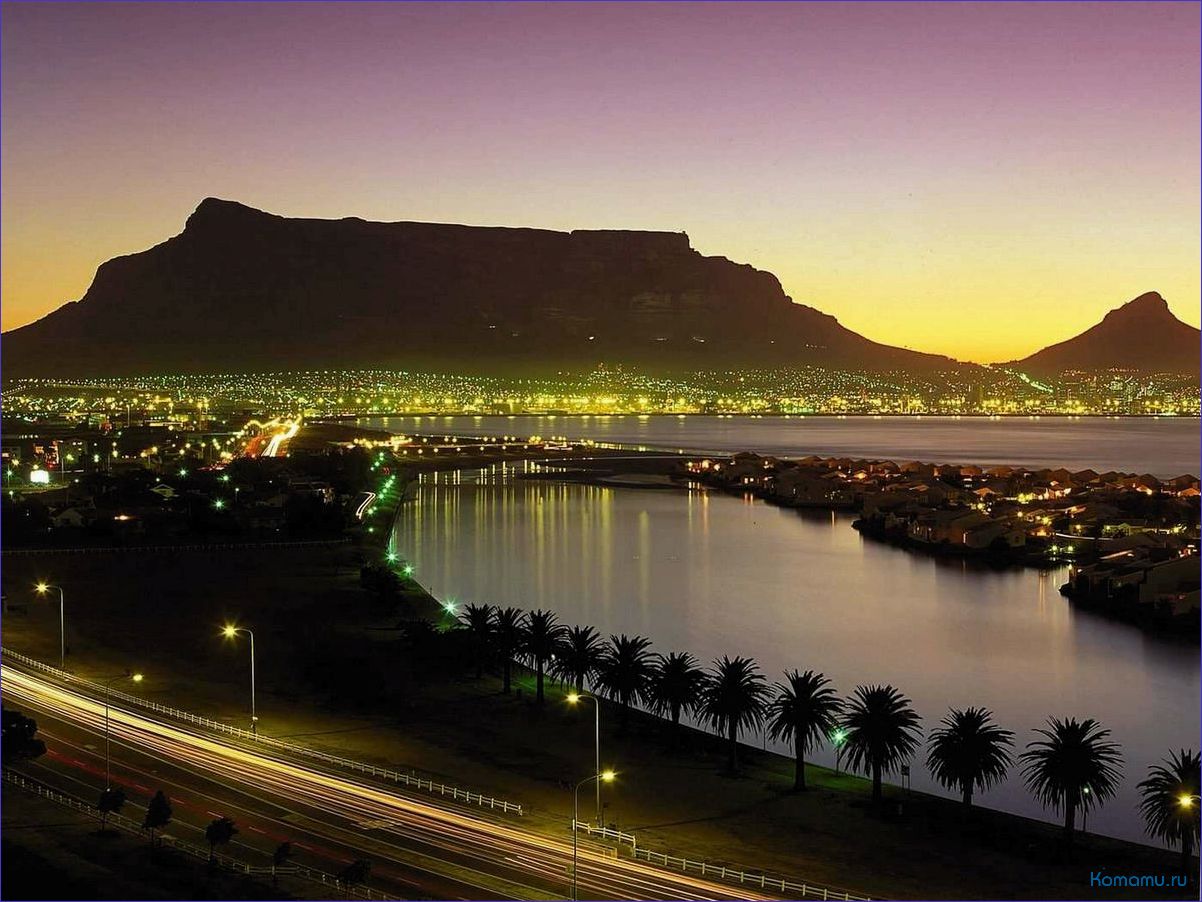
South Africa is an amazing country on the southern African continent, attracting attention with its diverse natural wealth, cultural diversity and historical heritage. This amazing corner of the earth attracts tourists from all over the world with its unique attractions and diverse opportunities for leisure and travel.
Content of the article:
South Africa, as the country’s name is often abbreviated, represents a unique combination of modern metropolis and wilderness, a tumultuous history of struggle for equality and numerous ethnic groups who live here in harmony and respect for each other. It is a land of contrasts, where both modern skyscrapers and ancient caves with drawings of primitive people find their place.
South African Republic
South Africa is one of the most diverse countries in the world with many cultures, languages and ethnic groups. More than 58 million people speak 11 official languages.
The economy of South Africa is the largest in the African region and one of the most developed on the continent. The country is rich in resources such as gold, diamonds, coal and platinum. Tourism also plays an important role in the country’s economy.
-
- Capital: Pretoria (administrative), Cape Town (legislative), Bloomfontaine (judicial)
Official languages: English, Afrikaans, Zulu, etc.
- Currency: South African Rand (ZAR)
History and Culture of South African Republic
The South African Republic (SAR) has a rich history and cultural heritage reflecting the country’s centuries-old history. It is famous for its diversity of ethnic groups, languages and traditions.
The history of South Africa begins with the arrival of the first colonists in the 17th century. During the period of colonization, the country was settled by Europeans, African tribes and Asian immigrants. This mixture of cultures and peoples has resulted in unique traditions and customs.
Today, South Africa is a multinational country where different cultures and religions coexist. Many of them are reflected in the art, music, literature and cuisine of the country. South Africa is also famous for its national parks, where you can see unique fauna and flora.

Cultural attractionsHistorical SitesPublic holidaysNational Museum of South AfricaCape Town FortressFreedom Day (April 27)Cathedral of St. Georgia in Cape TownApartheid Museum in JohannesburgMigrants Day (December 16)
Geography and climate
The climate in South Africa is diverse: from monsoon in the east to subtropical in the west. The country is dominated by dry and warm winters, and in summer the temperature can reach +40 ° C. In the south of the country the climate is marine and more temperate.
Economy and tourism
Tourism is one of the most important sectors of the South African economy, attracting millions of tourists annually. The country offers a variety of recreational options, from safaris in national parks to beach holidays on the Indian and Atlantic Oceans. In addition, the cultural heritage and diversity of natural landscapes make South Africa an attractive destination for tourists from all over the world.
Main attractions:Kruger and Hluhluve National Parks, Cape Town with the Victoria and Red Sea coasts, the town of Stellenbosch with its wineries, Durban and Margate beaches. Economic contribution:Tourism brings significant income to the country, promotes infrastructure development and job creation, and promotes cultural exchange and international cooperation.
Political system of South Africa
Power in South Africa is divided between the executive, legislative and judicial branches. The parliament consists of the National Council of Provinces and the National Assembly. The President is elected by the National Assembly and is the head of the executive branch.
South Africa is also known for its constitution, which guarantees the fundamental rights and freedoms of citizens. The country ‘ s judicial system includes the Constitutional Court, which deals with the resolution of constitutional issues and the protection of citizens ‘ constitutional rights.
Education and Science in South Africa
The Republic of South Africa has a well-developed education system comprising primary, secondary and higher education. There is compulsory education for children aged 7 to 15.
Higher education in South Africa is provided at universities, colleges and technical schools. The country is home to several prestigious universities such as the University of Cape Town, the University of Whitwatersrand and others.
Scientific research is also actively developing in South Africa. Many universities and research institutes pursue scientific discoveries and developments in various fields such as medicine, technology and the environment.
Educational institutionsUniversity of Cape Town
Whitwatersrand University
Stellenbosch University
Sports and entertainment in South Africa
In addition to cricket, football is also very popular among South Africans. Local teams participate in national and international leagues, as well as various football tournaments and competitions.
For lovers of extreme sports in South Africa there is an opportunity to try yourself in surfing, paragliding, basejumping and other adrenaline-boosting sports. In addition, the country offers a rich cultural program, including museums, theatres, music festivals and other entertainment.


