
Guinea-Bissau – history, culture, economy and attractions
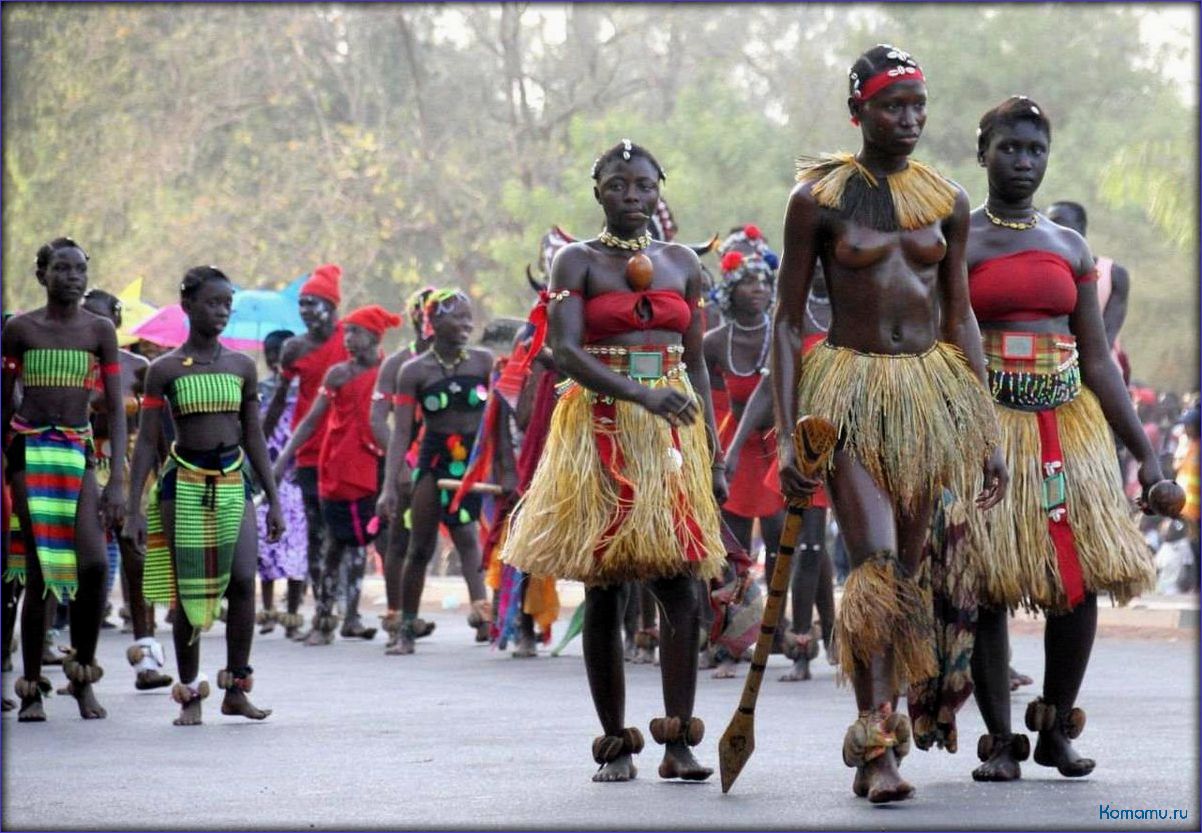
Guinea-Bissau is an amazing country located on the west coast of Africa. It is a place where African culture, the most beautiful beaches and amazing flora and fauna are mixed. Guinea-Bissau impresses with its unique atmosphere and the hospitality of its inhabitants.
Content of the article:
Guinea-Bissau is famous for its endless beaches where you can enjoy the warm sun and crystal clear sea. Here you can see amazing natural landscapes including lagoons, palm groves and lush rainforests. This country is a real paradise for lovers of exoticism and adventure.
In addition to the stunning nature, Guinea-Bissau is also famous for its mangoes, which are considered a national symbol here. Mango in this country is not just a fruit, but a real national wealth that can be seen everywhere – in markets, cafes and homes of locals.
History of Guinea-Bissau
Guinea-Bissau, a small country on the west coast of Africa, has a rich history dating back millennia. The region where Guinea-Bissau is located was inhabited by ancient tribes and was part of many African empires.
In the 15th century, Portuguese explorers began to explore the coast of Guinea and established the first posts in the territory. In 1879, Guinea-Bissau became a colony of Portugal and remained so until 1973, when independence was declared.
In the post-independence period, Guinea-Bissau faced political conflicts and armed clashes. There have been coups and coups d ‘ état in the country, which have affected economic and social development.
Today, Guinea-Bissau remains one of the poorest and most unstable countries in the world, but the country retains its unique culture and traditions that reflect its rich heritage of history.
Colonial past
Guinea-Bissau was colonized by the Portuguese in the 15th century. For more than four centuries, the colony served as a base for Portuguese trade with West Africa, especially in the field of the slave trade. In the 19th century, Guinea-Bissau became one of the largest suppliers of slaves to Brazil.

After gaining independence in 1973, Guinea-Bissau faced political instability and armed conflict. The consequences of the colonial past had a significant impact on the development of the country and the formation of its political system.
Independence and struggle
Guinea-Bissau gained independence from Portugal on September 24, 1973, after a long struggle for freedom. The National Liberation Movement of Guinea and Cape Verde (PAIGC) led the struggle for independence under the leadership of Amilcar Cabral. This period of the country’s history remains a symbol of national pride and the struggle for freedom from colonial oppression.
Amilcaro Cabral, founder and leader of PAIGC, has become a symbol of Guinea-Bissau’s national struggle for independence. His ideas and strategies helped the country achieve freedom and independence. The struggle for freedom and independence has left an indelible mark on Guinea-Bissau’s history and still inspires the country’s national consciousness.
Geography of Guinea-Bissau
Guinea-Bissau’s climate is tropical, with high humidity and two seasons – dry and rainy. Mangrove forests as well as savannahs and wooded areas are widespread in the country.
Area36 125 km²Populationabout 1.9 million peopleCapitalBissauMaximum heightOssa Monte — 300 m
Natural resources
Climate and relief
The relief of Guinea-Bissau is represented by low plains covered by rainforests and mangrove groves. The north of the country is dominated by hilly plains, and in the south – more flat areas. Thanks to this diversity of terrain, Guinea-Bissau has a unique nature and a rich flora.
Economy of Guinea-Bissau
Despite the availability of natural resources, the country’s economy faces problems of corruption, instability and low infrastructure. External assistance and loans play a significant role in financing various programmes and projects in Guinea-Bissau.
Agriculture in Guinea-Bissau
Agriculture plays a key role in Guinea-Bissau’s economy, providing a primary source of income for the majority of the population. Major crops include rice, cassava, peanuts, palm oil, coffee and cocoa.
Most of the country’s agricultural land is cultivated by traditional methods, which limits productivity and yield. However, the Government of Guinea-Bissau is taking steps to promote agriculture by providing farmers with access to seeds, fertilizers and training in modern soil management techniques.
CultureCrop areaProductivityRiceMore than 200. the2 tons/haCassavaExcept 150. the1.5 tons/haArachisMore than 100. the1 ton/ha
Why are so many countries called Guinea?


